


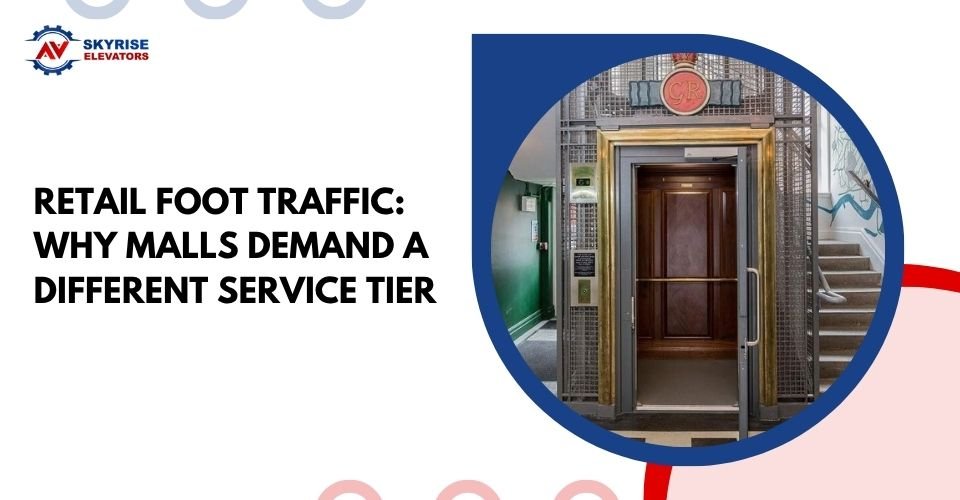
Fire Safety Standards: The Rules Ageing Lifts Often Fail to Meet
Elevators are designed to provide safe and reliable transportation between floors. However, an ageing lift can develop mechanical, electrical, and safety issues over time. Components may become outdated, difficult to replace, or unable to meet newer safety expectations.
Fire safety is an important part of lift safety. In an emergency, an elevator needs to operate within the building’s broader fire safety strategy. Doors, controls, electrical systems, emergency communication, and other components all have a role to play.
For building owners considering lift modernisation services Sydney, understanding how older lift systems can fall behind current requirements is an important starting point.
Why Fire Safety Matters for Lift Systems
A lift is part of a building’s essential infrastructure. During a fire or other emergency, normal lift operation may not be appropriate.
Fire safety measures are designed to reduce risks associated with smoke, heat, electrical faults, and uncontrolled lift movement.
Depending on the building and lift system, safety considerations can include:
- Lift landing doors
- Lift shaft protection
- Emergency lighting
- Emergency communication systems
- Electrical protection
- Fire-rated building elements
- Emergency recall functions
- Control systems
- Access for emergency personnel
The exact requirements depend on the building, lift installation, applicable standards, and regulatory requirements.
Ageing Components Can Create Safety Gaps
Older elevators can continue operating for many years, but age alone does not determine whether a lift is safe.
The issue is that some components may no longer provide the functionality expected from modern systems.
Older equipment may include:
- Outdated control panels
- Older electrical components
- Obsolete drive systems
- Worn door operators
- Ageing emergency systems
- Limited fault monitoring
- Difficult-to-source replacement components
A lift may still transport passengers while certain components require upgrading.
Modernisation can address selected systems without necessarily replacing the entire lift installation.
Lift Doors Are an Important Safety Component
Lift doors are among the most frequently used parts of an elevator.
Landing and car doors need to operate correctly and reliably. Faulty door operation can create safety concerns, particularly when components become worn or unreliable.
During a modernisation assessment, professionals may inspect:
- Door operators
- Door locks
- Interlocks
- Door sensors
- Door panels
- Door closing performance
- Related electrical controls
A modern door system can also improve reliability and provide updated control and monitoring capabilities.
Emergency Recall and Fire Service Operation
Buildings may require specific lift functions for emergency situations, including fire service operation.
The purpose of these systems is to provide appropriate control of the lift during an emergency rather than allowing normal passenger operation to continue without consideration of the fire event.
The exact configuration depends on the building and applicable requirements.
Building owners should therefore avoid assuming that an older lift’s existing emergency functions automatically satisfy current requirements.
A professional inspection can identify whether upgrades are necessary.
Electrical Systems Can Become Outdated
Electrical components are another area that deserves attention in ageing elevators.
Older systems may contain components that are difficult to source or maintain. Older wiring, control equipment, relays, and drive systems may also limit the ability to introduce newer monitoring and safety features.
Electrical modernisation may involve upgrading:
- Controllers
- Drives
- Wiring
- Safety circuits
- Control panels
- Motor controls
- Emergency power interfaces
The scope depends on the condition and design of the existing installation.
Emergency Communication Should Not Be Overlooked
Passengers can become trapped inside an elevator because of mechanical failures, power interruptions, or other faults.
Reliable emergency communication allows passengers to request assistance.
Older lifts may have communication equipment that needs upgrading to meet current operational expectations.
During an assessment, building owners can ask whether the existing system provides:
- Reliable two-way communication
- Appropriate emergency connection
- Clear instructions for passengers
- Reliable power backup
- Regular testing
An emergency communication system is only useful when it works reliably when needed.
Smoke and Fire Protection Around the Lift
Fire safety does not depend only on the elevator itself.
The lift shaft, landing areas, doors, walls, floors, and other building components form part of the surrounding fire safety system.
If building elements around an ageing lift have been modified over time, owners should consider whether the current arrangement remains consistent with applicable building and fire safety requirements.
This is particularly relevant during major renovation or lift modernisation projects.
Why Older Lift Controls May Need Modernisation
Older control systems can limit both safety functionality and operational reliability.
Modern controllers can provide more advanced monitoring, fault detection, and control capabilities.
Modernisation may help address issues such as:
- Frequent breakdowns
- Slow response
- Poor ride performance
- Obsolete components
- Limited fault diagnostics
- Difficult maintenance
- Inconsistent door operation
For some buildings, upgrading the controller and related components can significantly improve the performance of an existing lift.
Residential Buildings Have Their Own Considerations
Residential properties rely on elevators for everyday movement. This makes reliability especially important in apartment buildings and other multi-level residential developments.
Owners and strata managers researching residential lifts Sydney should consider both everyday passenger safety and emergency requirements.
Important areas can include:
- Reliable door operation
- Emergency communication
- Backup systems
- Passenger controls
- Lift lighting
- Alarm systems
- Routine inspections
- Emergency response procedures
The building’s age, lift design, usage level, and maintenance history should all be considered when assessing whether modernisation is appropriate.
Maintenance and Modernisation Are Different
Routine maintenance and modernisation serve different purposes.
Maintenance focuses on keeping existing equipment operating safely and reliably. It can include inspections, adjustments, lubrication, repairs, and replacement of worn components.
Modernisation involves upgrading selected systems or components to address ageing technology, performance limitations, reliability issues, or changing requirements.
A building may require maintenance even after modernisation. Likewise, modernisation does not replace the need for ongoing servicing.
Warning Signs That an Older Lift Needs Assessment
Certain issues can indicate that an ageing elevator requires professional evaluation.
These may include:
- Repeated breakdowns
- Frequent door faults
- Unusual noises
- Sudden stops
- Long waiting times
- Poor levelling between floors
- Outdated emergency communication
- Difficult-to-source components
- Increasing repair costs
- Repeated electrical faults
None of these signs automatically means that a lift fails a particular safety requirement. However, they can justify a detailed inspection.
How Modernisation Can Improve an Existing Lift
A full lift replacement is not always the only option.
Depending on the installation, modernisation can involve upgrading specific systems while retaining suitable existing components.
Potential upgrades may include:
- Control systems: Modern controllers can improve lift operation and diagnostics.
- Door equipment: Updated operators and sensors can improve door performance.
- Drive systems: Newer drives can improve acceleration, deceleration, and ride quality.
- Emergency communication: Updated equipment can improve passenger communication.
- Electrical systems: Older electrical components can be replaced where appropriate.
- Monitoring: Modern systems may provide better information about faults and operating conditions.
The appropriate scope should be determined after assessing the existing lift.
What Building Owners Should Check
Before starting a modernisation project, building owners and managers should gather information about the existing installation.
Useful records include:
- Lift age
- Installation documentation
- Maintenance history
- Previous repairs
- Inspection reports
- Existing safety systems
- Previous modernisation work
- Recurring faults
- Replacement component availability
A professional lift assessment can then help determine which systems require attention.
Why Work With Skyrise Elevators?
Skyrise Elevators provides lift services for buildings requiring reliable elevator solutions.
For ageing installations, a modernisation assessment can help identify outdated components, recurring operational issues, and areas that may require upgrading.
Building owners considering lift modernisation services Sydney can review available modernisation solutions and discuss the condition of an existing lift with a qualified provider.
For residential properties, residential lifts Sydney can also be considered as part of a broader approach to safe and reliable vertical transportation.
Final Thoughts
Fire safety should remain an important consideration when evaluating an ageing elevator.
Outdated controls, electrical components, emergency communication systems, door equipment, and other components can create limitations that deserve professional assessment. However, whether a particular lift meets current requirements depends on its installation, building conditions, applicable regulations, and inspection findings.
Modernisation can provide a practical way to upgrade selected systems while retaining suitable parts of an existing elevator.
For Sydney building owners, working with Skyrise Elevators can help identify appropriate modernisation options based on the condition and requirements of the existing lift.