


Best Lift Safety Features for Reliable Buildings
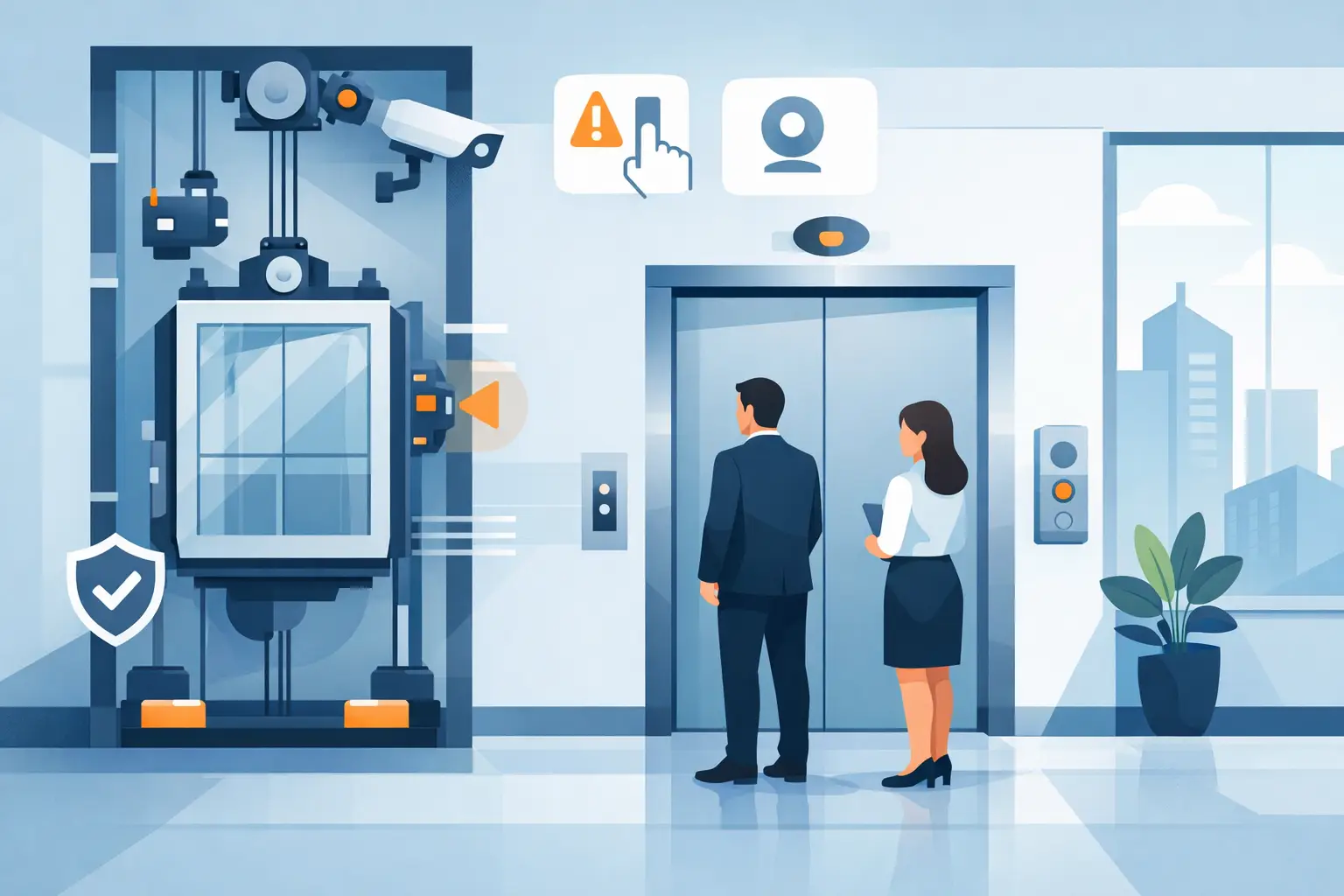
A lift can look modern, travel smoothly and still create avoidable risk if its safety systems are outdated, poorly maintained or unsuitable for the building. The best lift safety features work together to protect passengers, support fast response when something goes wrong and keep the equipment operating reliably between service visits. For property owners and facility managers, that means fewer disruptions, greater confidence for occupants and a clearer path to meeting their duty of care.
The right feature set depends on the lift’s purpose. A home lift has different passenger needs from a busy apartment building, hospital, warehouse or shopping centre. However, every installation should be assessed around the same priorities: safe entry and exit, controlled travel, emergency communication, dependable power protection and ongoing maintenance.
Best lift safety features to prioritise
Door protection that prevents contact and entrapment
Lift doors are where most passenger interactions occur, so door safety deserves close attention. Modern door sensors use a light curtain or multi-beam detection system to identify people, prams, trolleys and mobility aids in the doorway. When an obstruction is detected, the doors reopen rather than closing onto it.
This is a substantial improvement on older systems with limited sensing coverage. In high-traffic buildings, a full-height light curtain can be particularly valuable because it detects objects at different heights, including a child’s hand, a shopping bag or the edge of a wheelchair.
Door reopening protection should be paired with correctly adjusted door forces and regular inspection of rollers, tracks and operators. Sensors cannot compensate for worn components or misaligned doors. If doors are hesitating, striking, repeatedly reopening or making unusual noise, arrange a technician visit before the issue develops into a breakdown or safety concern.
Accurate levelling at every landing
A lift should stop level with the floor, allowing passengers to step in and out without a trip hazard. Levelling accuracy is especially important in aged care, healthcare, education and residential buildings where people may use walking frames, wheelchairs or trolleys.
Levelling systems monitor the car position and correct minor movement at the landing. As equipment ages, wear in the braking system, drive components or sensors can affect this accuracy. A noticeable step at the threshold should never be treated as normal. It warrants prompt assessment, particularly where vulnerable passengers are present.
For buildings undergoing a lift modernisation, improved landing accuracy is often one of the most practical safety and accessibility upgrades available. The exact solution depends on the existing controller, drive system and condition of the lift.
Emergency alarm and two-way communication
Passengers need a reliable way to call for help if a lift stops between floors. An emergency alarm button and two-way communication system are essential, but they must be tested, monitored and suitable for the site.
A lift phone or hands-free emergency communication unit should connect passengers with an appropriate response point and clearly identify the lift location. This matters in multi-building sites, large residential developments and industrial facilities where a vague call for assistance can delay the response. Systems should also be accessible to passengers who may have difficulty hearing, speaking or reaching a conventional handset.
The practical question is not simply whether an alarm exists. Ask whether it works during a power interruption, whether calls are regularly tested and whether building staff know the escalation process. Clear rescue procedures are as important as the device in the car.
Automatic rescue device and backup power support
A power failure can leave a lift stopped between levels. An automatic rescue device uses backup power to move the car to a safe floor, open the doors and allow passengers to exit where conditions permit. It can significantly reduce the chance of people becoming stranded during a short outage.
Backup arrangements should be selected carefully. A small residential lift may require a different solution from a high-rise commercial building with multiple cars, heavy passenger demand and broader emergency power requirements. In some sites, a generator or building-wide backup supply may form part of the overall strategy.
Battery condition is critical. Backup systems are only useful when batteries are maintained and replaced at the right interval. Routine testing should confirm that the rescue function performs as intended, rather than assuming it will operate when needed.
Overspeed protection and safety gear
Passengers rarely see the mechanisms that protect them during lift travel, but these components are central to safe operation. Overspeed governors monitor the lift’s speed. If the car travels beyond safe limits, the system can activate safety gear designed to stop and hold the car securely.
Other key protections include braking systems, limit switches and buffers in the lift shaft pit. Together, they manage movement at the upper and lower extremes of travel and provide safeguards against abnormal operation.
These are not features to select based on appearance or short-term cost. They are engineered parts of the lift system and require approved inspection, testing and servicing. When modernising an older lift, the condition and compatibility of these safety components should be reviewed alongside visible upgrades such as buttons, interiors and displays.
Fire and emergency operation controls
During a fire or other building emergency, lifts must respond in a controlled way that supports emergency procedures. Depending on the building design and relevant requirements, this may include fire service recall functions, designated emergency operation controls and interfaces with the building’s fire systems.
The correct configuration depends on the property type, lift use and applicable Australian requirements. A healthcare facility, apartment tower and warehouse do not necessarily have identical needs. What matters is that the lift behaviour is planned as part of the whole building emergency response, not treated as a separate item after installation.
Facility managers should ensure emergency instructions are documented, staff understand what to do and lift servicing does not overlook fire-related functions. Changes to the building’s fire system, tenancy layout or use can also justify a review.
Safety features that improve everyday use
Not every useful safety measure sits inside the shaft or controller cabinet. Good lighting in the car and at landings helps passengers see thresholds, buttons and signage. Non-slip floor finishes, handrails and clear button labelling improve stability and usability. In residential settings, these details can make a major difference for older occupants and visitors with reduced mobility.
Load weighing devices are another useful option, particularly in goods lifts, service lifts and busy commercial buildings. They detect overload conditions and prevent the car from travelling until the weight is reduced. This protects passengers and helps prevent unnecessary strain on doors, drives and suspension equipment.
For goods and industrial applications, consider car gates, interlocks, rated load signage and controls that match the way materials are actually moved. A lift designed for people should not be expected to handle pallets, equipment or frequent trolley traffic without the right specification. Selecting the correct lift at the outset is one of the strongest safety decisions a project team can make.
Maintenance is one of the best lift safety features
No safety feature remains dependable without structured maintenance. Lift equipment operates through hundreds or thousands of cycles, often in conditions that include dust, humidity, heavy foot traffic and variable electrical supply. Small issues such as worn door rollers, loose connections or declining battery capacity can become serious if they are not identified early.
A planned maintenance programme should include inspection, adjustment, testing and documented reporting appropriate to the lift type and site conditions. High-use lifts may need a more frequent or more detailed service approach than a low-use home lift. Buildings with critical operations, such as hospitals, aged care facilities and logistics sites, should also consider the impact of downtime when setting service priorities.
Maintenance is also the opportunity to identify whether an ageing lift needs modernisation rather than repeated reactive repairs. Replacing a controller, improving door protection, upgrading communication equipment or renewing worn mechanical parts can improve safety and reliability while extending the useful life of the installation.
How to choose the right safety package
Start with how people use the building. Consider passenger numbers, peak periods, accessibility needs, the likelihood of children or trolleys using the lift, after-hours access and the consequences of a shutdown. Then assess the lift’s age, condition and current safety equipment.
A new installation allows safety features to be integrated into the design from the beginning. With an existing lift, priorities may need to be staged. For example, a building with unreliable doors and no effective emergency communication should address those issues before spending on cosmetic upgrades. A professional site assessment can distinguish essential compliance or risk work from sensible reliability improvements and optional enhancements.
Skyrise Elevators can assess new and existing lift systems with the building’s use, safety expectations and long-term maintenance needs in mind. The goal is not to add features for their own sake. It is to provide practical protection that works reliably for the people who depend on the lift every day.
The most effective safety outcome comes from matching the equipment to the building, maintaining it properly and acting early when performance changes. A lift that opens cleanly, levels accurately and provides immediate help when needed gives occupants something valuable: confidence every time the doors close.