


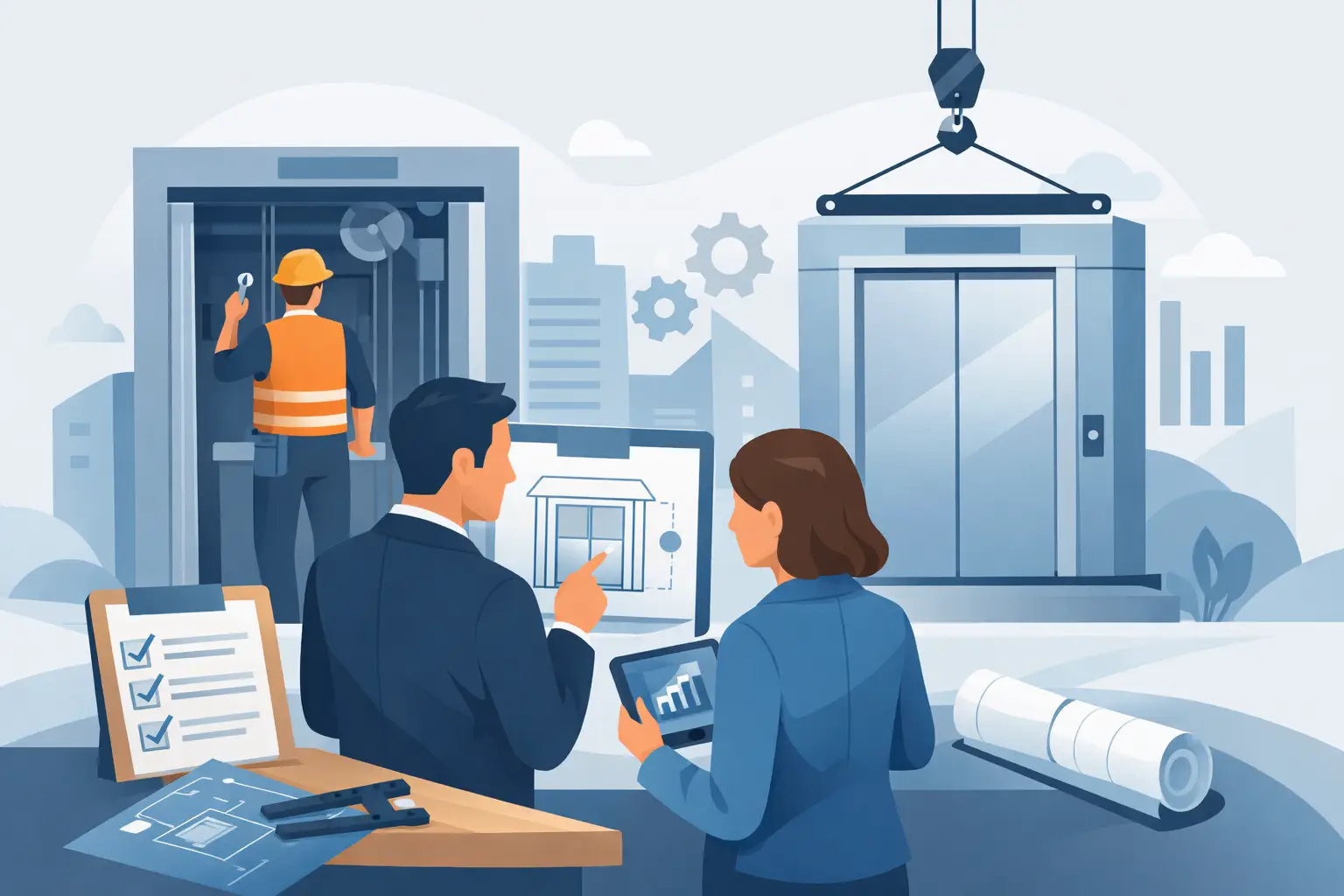
Elevator Replacement Planning Guide
When a lift starts causing repeated breakdowns, tenant complaints, parts delays and rising service costs, the question is no longer whether action is needed. It is whether you need a repair, a modernisation, or a full replacement. This lift replacement planning guide is designed to help property owners, facility managers, builders and strata decision-makers make that call with clarity.
A lift replacement is a major building project, but it should not feel unpredictable. With the right planning, you can improve safety, reliability and passenger experience while keeping disruption under control. The key is to assess the current asset properly, understand your building’s operational needs, and set a realistic path for design, procurement, installation and aftercare.
When a lift replacement planning guide becomes necessary
Not every ageing lift needs to be replaced immediately. In some buildings, a targeted upgrade can extend service life and improve performance at a lower upfront cost. In others, replacement is the more sensible long-term decision because the lift has become unreliable, difficult to service or no longer suited to the building.
The signs are usually clear. You may be seeing frequent faults, longer outages, poor ride quality, door issues, obsolete control systems, or spare parts that are hard to source. Older lifts can also struggle to meet current expectations around accessibility, energy efficiency and traffic handling. In commercial properties, that can affect tenant satisfaction and daily operations. In residential or aged care settings, it can become a serious inconvenience and safety risk.
Replacement also becomes more likely when the building itself has changed. A property that has moved from light to heavy usage, undergone refurbishment, or added accessibility requirements may need more than a patch-up. A lift designed for one traffic pattern does not always suit another.
Start with a condition and needs assessment
The first step in any lift replacement planning guide is to understand both the lift and the building. A technical inspection should review the condition of major components, the history of breakdowns, code and safety issues, and whether key systems are still supportable.
That technical picture needs to be matched with an operational one. How many people use the lift each day? Is the building residential, commercial, healthcare, industrial or mixed-use? Are there peak traffic periods? Do you need stretcher capacity, goods handling, accessibility compliance or improved security controls? A replacement that only copies the old lift may solve one problem while leaving another in place.
This is where early advice matters. A dependable contractor will not just quote a box and a button panel. They will look at shaft constraints, machine room arrangements, power supply, finishes, user requirements and maintenance access before recommending a solution.
Budgeting for lift replacement
Cost is often the biggest concern, and understandably so. A replacement project can vary significantly depending on building type, number of stops, shaft condition, lift size, finishes, compliance works and whether structural changes are needed.
A realistic budget should account for more than the lift equipment itself. It should include site investigations, design work, permits where required, removal of old equipment, associated electrical and builder’s works, temporary access planning, commissioning and ongoing maintenance. If the building relies heavily on the lift, contingency planning for downtime should also be part of the financial discussion.
There is also a trade-off between upfront cost and long-term value. A lower-cost option may reduce immediate spend but create limitations in performance, finish quality or serviceability later on. On the other hand, not every building needs a premium specification. The right answer depends on usage, expected asset life and the level of reliability your occupants require.
Choosing between modernisation and full replacement
One of the most common planning questions is whether to modernise existing equipment or replace the lift entirely. The answer depends on age, condition and project goals.
Modernisation can be effective when the shaft, car and some core components remain sound, but the controls, doors or drive systems need updating. It often reduces downtime and capital spend compared with a full replacement. For some strata buildings and budget-sensitive sites, that can be the most practical path.
Full replacement becomes more attractive when the lift has widespread obsolescence, recurring failures across multiple systems, poor ride performance, or design limitations that modernisation cannot fix. If you need a larger car, better accessibility, new landing arrangements or major improvements in travel efficiency, replacement may deliver better value over the life of the asset.
An honest assessment should include both options. Good planning is not about pushing the biggest project. It is about matching the scope to the building’s needs.
Lift replacement planning guide for project timing
Timing can shape the success of the whole job. For occupied buildings, the replacement schedule should be planned around usage patterns, tenant expectations and access needs. In some cases, works can be staged during quieter periods. In others, especially where there is only one lift, communication and temporary access arrangements become critical.
Lead times also need attention. Equipment procurement, custom finishes, approvals and specialist trades can all affect programme dates. Leaving planning too late often leads to rushed decisions after a major failure, which is rarely the most cost-effective or least disruptive route.
For builders and developers, replacement timing should also align with wider refurbishment or fitout works. Coordinating lift works with other building trades can reduce rework and shorten site impact. For operating facilities such as healthcare, aged care or retail, the sequence of works needs to protect users while maintaining continuity as much as possible.
Compliance, safety and building integration
A replacement project should improve more than appearance. It should address safety, performance and compatibility with the building as it operates today. That includes door protection, emergency communication systems, accessibility requirements, fire interface, electrical upgrades and any code-related matters relevant to the site.
Integration with the rest of the building is often overlooked in early planning. Lift replacement may affect lobbies, power supply, alarms, security systems and finishes around entrances. In older buildings, dimensions and shaft conditions can add complexity. That does not mean replacement is off the table, but it does mean site-specific planning is essential.
For property managers and owners, this is where working with an experienced full-service provider adds value. It helps avoid gaps between supply, installation, commissioning and long-term servicing.
Selecting the right replacement solution
The best replacement is not simply the newest model available. It is the one that fits the building, the traffic demand and the owner’s long-term priorities. Residential buildings may prioritise quiet operation, reliability and clean finishes. Commercial sites may focus more on traffic flow, durability and reduced downtime. Industrial settings often need tough goods or service lift performance over decorative detailing.
Ask practical questions. Will the lift be easy to maintain? Are parts readily available? Does the system suit the building’s daily demand? Can the finishes withstand the environment? Will passengers find it intuitive and comfortable to use?
These details matter because a lift is not a short-term purchase. It is a critical building service that needs to perform consistently for years. Companies such as Skyrise Elevators typically approach replacement with that broader lifecycle view, which is exactly what owners and managers should expect.
Maintenance planning should not wait until handover
One of the biggest mistakes in lift replacement projects is treating maintenance as something to sort out later. The replacement may be new, but it still needs a clear servicing plan from day one. Preventive maintenance, response arrangements, approved technicians and access to technical support all affect long-term reliability.
This is especially important for buildings where lift downtime has real consequences, such as healthcare, aged care, residential towers and busy commercial sites. A good replacement project does not end at commissioning. It sets the lift up for dependable performance through structured maintenance and responsive support.
That ongoing relationship can also help protect your investment. Routine servicing picks up wear early, reduces avoidable failures and supports safe operation over time.
Making the decision with confidence
The strongest replacement plans are built on facts, not frustration. If your lift is ageing, unreliable or no longer fit for purpose, start with a proper assessment rather than waiting for a major failure to force the issue. Compare modernisation and replacement honestly, budget for the full scope, and choose a solution that supports your building for the long term.
A lift replacement is a significant commitment, but it can also be a practical upgrade to safety, convenience and building performance. When the planning is done properly, the result is not just a new lift. It is a more dependable building for everyone who uses it.