


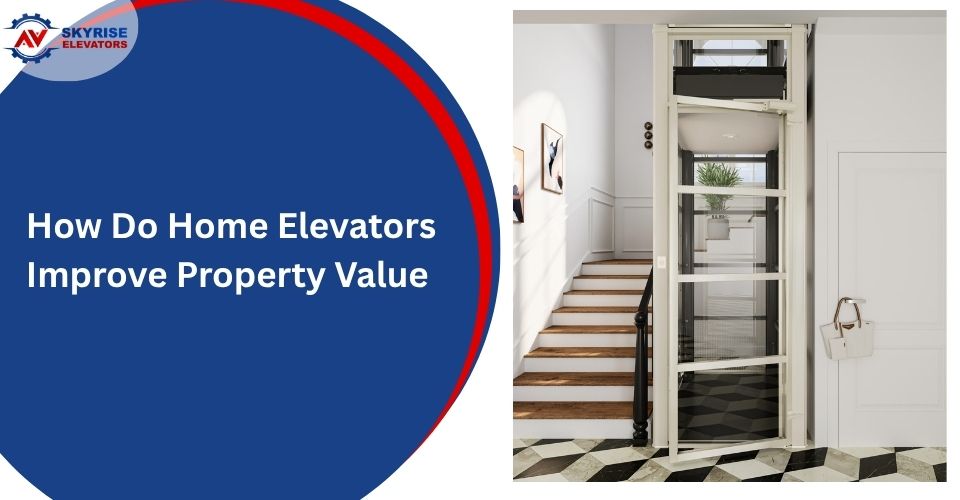
How Do Home Elevators Improve Property Value?
In today’s real estate market, homeowners are constantly looking for ways to increase the value of their property. While traditional upgrades like kitchen renovations and landscaping remain popular, modern buyers are now drawn to convenience, accessibility, and luxury. One feature that is rapidly gaining attention is the home elevator.
Home elevators are no longer limited to mansions or commercial buildings. They are becoming a practical addition to modern homes, offering both functionality and elegance. Beyond convenience, they play a significant role in increasing property value and delivering a strong return on investment (ROI).
In this article, we will explore how home elevators impact property value, the financial benefits they offer, and why they are becoming a smart investment for homeowners.
Understanding Home Elevator Property Value
When evaluating a property, buyers consider more than just size and location. They look at comfort, accessibility, and long-term usability. A home elevator directly enhances all these aspects, making the property more attractive.
A home equipped with an elevator stands out in the market. It appeals to a broader audience, including elderly buyers, families with mobility challenges, and individuals planning for future needs. This increased demand naturally drives up the property’s perceived value.
Key ways home elevators influence property value include:
- Enhancing accessibility for all age groups
- Adding a luxury feature to the property
- Increasing usability of multi-story homes
- Future-proofing the home for aging residents
A well-installed elevator transforms a standard house into a premium living space.
Why Modern Buyers Value Home Elevators
Buyer preferences have evolved significantly in recent years. Convenience and accessibility are now top priorities, especially in urban living environments.
Home elevators meet these expectations by offering seamless movement between floors. For families with elderly members or individuals with disabilities, this feature becomes essential rather than optional.
Reasons buyers value home elevators:
- Ease of movement across multiple floors
- Safety compared to stairs
- Improved daily convenience
- Long-term living comfort
Additionally, luxury buyers see elevators as a symbol of modern living. It adds sophistication and aligns with high-end lifestyle expectations.
Residential Lift ROI: Is It Worth the Investment?
Installing a home elevator may seem like a significant upfront cost, but the long-term benefits often outweigh the initial investment. Residential lift ROI is influenced by several factors, including property location, design, and buyer demand.
In many cases, homeowners can recover a substantial portion of the installation cost when selling the property. In premium markets, the return can be even higher due to increased buyer interest.
Factors that impact ROI:
- Property location and market demand
- Quality and design of the elevator
- Integration with home architecture
- Brand reputation and installation quality
A professionally installed elevator not only adds value but also reduces the time a property spends on the market.
Enhancing Accessibility and Future-Proofing Homes
One of the biggest advantages of home elevators is accessibility. As populations age, more homeowners are planning for long-term living solutions.
A home elevator allows residents to stay in their homes even as mobility becomes a concern. This concept, often referred to as “aging in place,” is highly appealing to buyers.
Benefits of improved accessibility:
- Supports elderly residents
- Assists individuals with mobility challenges
- Reduces risk of accidents on stairs
- Increases independence
By future-proofing a property, homeowners make it more desirable to a wider audience.
Luxury Appeal and Market Differentiation
In competitive real estate markets, standing out is essential. A home elevator instantly differentiates a property from others in the same price range.
Luxury features play a significant role in buyer decisions. An elevator adds a premium touch that elevates the overall perception of the property.
How elevators enhance luxury appeal:
- Modern and stylish design options
- Seamless integration with interiors
- Increased convenience and comfort
- High-end lifestyle association
Properties with unique features like elevators often attract more attention and higher offers.
Impact on Multi-Story Homes
Multi-story homes can sometimes be a challenge for buyers, especially those with young children or elderly family members. Stairs can limit usability and reduce appeal.
A home elevator eliminates this concern by making every floor easily accessible. This increases the functional space of the property.
Advantages for multi-story homes:
- Full utilization of all floors
- Improved safety and convenience
- Increased appeal to diverse buyers
- Better resale potential
With an elevator, a multi-level home becomes more practical and attractive.
Faster Property Sales and Higher Demand
Homes with unique features tend to sell faster, and elevators are no exception. Buyers often prioritize properties that require fewer modifications after purchase.
A home elevator reduces the need for future renovations, making the property move-in ready for a wider audience.
Benefits for property sales:
- Increased buyer interest
- Reduced time on market
- Higher perceived value
- Competitive advantage over similar listings
This demand can lead to better negotiation outcomes for sellers.
Energy Efficiency and Modern Technology
Modern home elevators are designed with energy efficiency in mind. They consume less power and integrate advanced technology for smooth operation.
Energy-efficient features not only reduce operating costs but also appeal to environmentally conscious buyers.
Common modern features include:
- Low energy consumption systems
- Quiet operation
- Smart controls
- Compact designs
These innovations make home elevators more practical and desirable than ever before.
Choosing the Right Elevator for Maximum ROI
Not all elevators deliver the same value. The choice of design, technology, and installation quality plays a crucial role in determining ROI.
Homeowners should focus on:
- Selecting a reliable and trusted brand like Skyrise
- Ensuring professional installation
- Matching the design with home interiors
- Prioritizing safety features
A well-chosen elevator enhances both functionality and aesthetic appeal, maximizing its impact on property value.
Common Mistakes to Avoid
While home elevators offer many benefits, poor planning can reduce their effectiveness. Avoid these common mistakes:
- Choosing low-quality installations
- Ignoring space planning
- Overlooking maintenance requirements
- Failing to match design with interiors
Proper planning ensures that the elevator adds value rather than becoming a liability.
Future Trends in Home Elevators
The demand for home elevators is expected to grow as technology advances and urban living evolves.
Future trends include:
- Smart home integration
- Voice-controlled systems
- Space-saving designs
- Enhanced safety features
As these innovations become more accessible, home elevators will become a standard feature in modern housing.
Conclusion
Home elevators are more than just a luxury feature. They are a practical investment that enhances accessibility, convenience, and overall property value.
From improving daily living to increasing resale potential, the benefits are clear. A well-installed elevator not only attracts buyers but also sets your property apart in a competitive market.
For homeowners looking to maximize their investment, residential lifts offer a compelling combination of functionality and long-term ROI.