


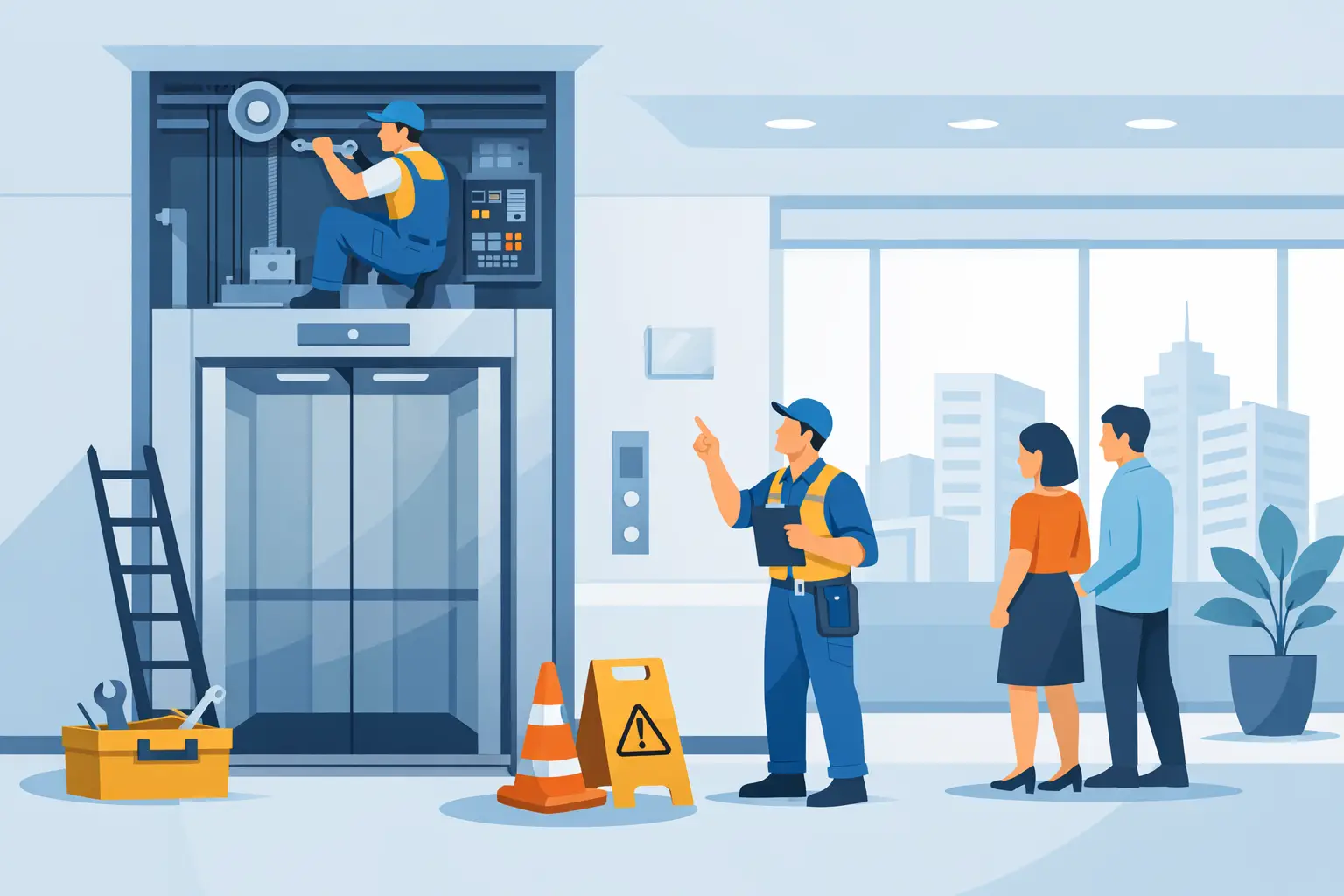
Lift Maintenance for Strata Buildings That Works
A lift outage can turn a routine morning into a serious building issue. Residents may be unable to get prams, groceries or mobility equipment downstairs, while older occupants can be effectively stranded. For committees and strata managers, lift maintenance for strata buildings is not simply a scheduled expense – it is a practical safeguard for resident safety, building access and property performance.
A well-managed lift should feel uneventful. Doors open correctly, the car levels accurately, calls are answered, and residents move through the building without thinking twice about the equipment behind it. Achieving that reliability requires more than calling for help after a fault occurs. It requires a maintenance programme built around the lift’s age, usage, condition and the needs of the people who rely on it.
Why strata lift maintenance needs a planned approach
Strata buildings place distinct demands on lifts. A small residential block with one low-use lift has different requirements from a high-rise complex with multiple cars, basement access, service traffic and a steady flow of visitors. The lift may be carrying residents, cleaners, delivery drivers, tradespeople and removalists throughout the day. Each journey adds wear to moving components.
When maintenance is reactive, minor issues can become disruptive faults. A door that closes slowly, unusual vibration, inaccurate levelling or intermittent call buttons may seem manageable at first. Left unresolved, these symptoms can lead to shutdowns, call-outs and avoidable repair costs.
Planned servicing gives technicians the opportunity to inspect, test, adjust and replace worn components before they affect availability. It also creates a service history that helps the owners corporation make better decisions about repairs, budgeting and future modernisation.
For strata committees, the goal is not to eliminate every possible fault. Mechanical equipment can still fail unexpectedly. The goal is to reduce risk, identify deterioration early and ensure a qualified technician can respond quickly when a problem does occur.
What lift maintenance for strata buildings should cover
A suitable maintenance agreement should be clear about what is inspected, how often visits occur and how faults are managed. The exact scope depends on the equipment and building, but routine service work should address the lift car, doors, landing equipment, controller, drive system, safety devices and communication systems.
Door systems and landing equipment
Lift doors are among the most heavily used parts of the system and are a common source of service issues. Technicians should inspect door rollers, tracks, locks, contacts, sensors and closing performance. A poorly operating door can cause repeated faults, inconvenience residents and leave the lift unavailable until the issue is resolved.
Landing doors also need attention. Damage, misalignment and worn locking components can affect safe operation, particularly in buildings with frequent move-ins, deliveries or service access.
Lift car performance and ride quality
Residents often notice ride quality before a complete breakdown occurs. A lift that jolts, vibrates, makes unusual noises or stops unevenly at a floor needs assessment. Maintenance visits should include checks on levelling accuracy, car controls, lighting, ventilation, emergency alarm equipment and the general condition of the cabin.
These details matter to residents, but they also help identify larger mechanical or electrical concerns early. Reliable car levelling is particularly important for accessibility, as even a small gap or uneven stop can create a trip risk.
Controller, drive and safety systems
The controller is the operating centre of the lift. It monitors calls, movement, door functions and safety circuits. Technicians should review fault records, test relevant safety functions and inspect the condition of electrical components, wiring and connections.
Older controllers may rely on parts that are difficult to obtain or may not provide useful diagnostic information. In these cases, regular maintenance remains essential, but the owners corporation should also consider whether modernisation would reduce long-term risk and repair delays.
Emergency communication and response readiness
A lift phone or emergency communication system is not a feature to overlook. If a passenger is trapped, they need a dependable way to call for assistance. Routine maintenance should confirm that emergency communication equipment functions correctly and that contact arrangements are current.
Strata managers should also ensure building records are accurate. Technicians need reliable access information, details of any known faults and a clear point of contact for urgent decisions. A fast response is more effective when the service provider does not have to chase keys, codes or approval details during an outage.
Set service intervals around the building, not a generic schedule
There is no single maintenance frequency that suits every strata property. Usage, equipment age, environmental conditions and the number of lifts all affect what a sensible programme looks like. A building near the coast, for example, may need closer attention to corrosion risks. A lift serving a basement car park and residential levels may experience more dirt, moisture and door-cycle activity than a lift in a quiet walk-up conversion.
High-traffic buildings generally benefit from more frequent inspections and a proactive approach to components known to wear. Lower-use buildings may have different servicing needs, but infrequent use is not a reason to neglect maintenance. Equipment that sits idle can develop its own issues, including deteriorated batteries, sticking components and unreliable door operation.
A competent provider should assess the site rather than sell a one-size-fits-all arrangement. The maintenance schedule should reflect actual conditions and give the committee a realistic view of expected repair and lifecycle costs.
Know the difference between maintenance, repairs and modernisation
These services work together, but they are not interchangeable. Maintenance is the routine work that keeps the lift operating safely and efficiently. Repairs address a failed or damaged part. Modernisation improves ageing systems that may still operate but are becoming less reliable, less efficient or harder to support.
Confusion between the three can lead to poor budgeting decisions. An owners corporation may defer a recommended upgrade because the lift is still running, then face repeated call-outs as obsolete components fail. On the other hand, not every repair justifies a major upgrade. The right decision depends on fault history, part availability, equipment condition, passenger experience and the expected value of the work.
A useful service partner will explain the options plainly. They should identify what requires immediate attention, what can be planned for in the next budget cycle and what should be monitored. This gives strata committees the information needed to act responsibly without committing to unnecessary work.
Questions a strata committee should ask its lift provider
Before entering or renewing a maintenance agreement, committees should understand how the provider will support the building in practice. Ask how often the lift will be attended, what each visit includes and how service reports are provided. It is also worth confirming after-hours response arrangements, attendance expectations for passenger entrapments and whether the provider has access to suitable parts for the installed equipment.
Committees should ask for transparent advice on exclusions and additional costs. Some contracts cover scheduled servicing but not replacement parts, major repairs or damage caused by misuse. Clear terms make it easier to compare proposals and avoid surprises when a fault occurs.
It is equally sensible to ask who will carry out the work. Approved, experienced technicians are essential for safe, accurate diagnosis. A technician who understands the specific equipment can often identify recurring issues faster and recommend practical solutions before downtime escalates.
Keep records that support better decisions
Service reports should not be filed away and forgotten. They are useful operational records that can reveal patterns, such as repeated door faults, declining ride quality or frequent issues on one landing. Over time, those patterns help determine whether targeted repairs are enough or whether a larger upgrade should be considered.
Keep maintenance reports, repair quotations, fault logs and records of resident complaints together. If a resident reports a recurring problem, note the time, floor and behaviour of the lift. Details such as “doors reopen several times at Level 3” are more useful to a technician than “lift playing up”.
Good records also support continuity when committee members or strata managers change. The building retains a clear history of what has been repaired, what has been recommended and what expenditure may need to be planned.
A reliable lift is part of a well-run strata property
Lift performance affects far more than convenience. It shapes accessibility, resident confidence, emergency readiness and the daily reputation of the building. For prospective buyers and tenants, a poorly maintained lift can quickly signal wider maintenance concerns.
Skyrise Elevators provides structured lift servicing, repairs and modernisation support for strata properties, with advice based on the condition and needs of the equipment. The most effective time to address lift reliability is before residents are waiting in the foyer for a technician. A clear maintenance plan, qualified service support and prompt attention to early warning signs give your building the best chance of keeping people moving safely every day.