


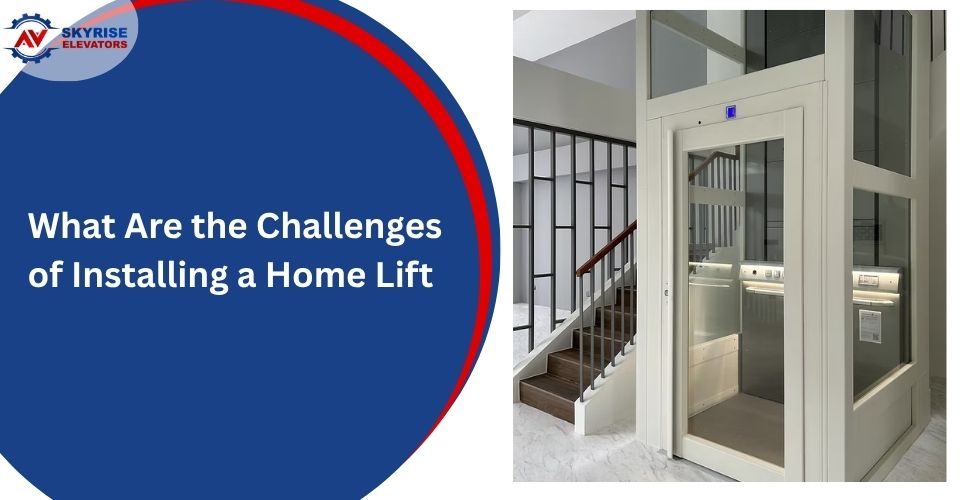
What Are the Challenges of Installing a Home Lift?
Installing a home lift is one of the most practical upgrades for modern living. Whether it’s about convenience, accessibility, or future-proofing your property, residential elevators are becoming increasingly popular. However, while the benefits are clear, the installation process is not always straightforward.
From structural limitations to regulatory approvals, several challenges can arise during planning and execution. Understanding these obstacles early can help you avoid costly mistakes and delays. In this guide, we’ll walk through the most common home lift installation challenges and share practical elevator planning tips, drawing on insights from industry leaders like Skyrise.
Understanding the Complexity of Home Lift Installation
Installing a home lift is not just about placing a machine inside your house. It involves architectural planning, engineering precision, and compliance with safety regulations. Many homeowners assume it’s a plug-and-play addition, but the reality is far more technical.
A home lift interacts with your building’s structure, electrical system, and interior design. Every decision, from placement to type of lift, impacts both performance and cost. This is why early planning is essential. Without it, you may face unexpected modifications that increase both time and budget.
1. Structural Limitations of Existing Homes
One of the biggest challenges is adapting your home’s structure to accommodate a lift. Unlike new constructions, existing homes were not originally designed with vertical transport systems in mind.
Common structural issues include:
- Lack of sufficient space for a shaft or cabin
- Weak load-bearing capacity in floors or walls
- Limited headroom or pit depth
- Interference with plumbing, wiring, or beams
In many cases, homeowners need to modify walls, reinforce floors, or even redesign sections of the house. These changes can be disruptive and expensive if not planned correctly.
Tip:
Before choosing a lift, conduct a professional structural assessment. Brands like Skyrise often provide site evaluations to determine feasibility and recommend suitable models.
2. Space Constraints and Layout Challenges
Not every home has the luxury of extra space. Finding the right location for a lift can be tricky, especially in compact houses or apartments.
Common placement challenges:
- Limited floor space for installation
- Difficulty aligning lift access across multiple levels
- Maintaining aesthetic harmony with interiors
- Avoiding obstruction of natural light or ventilation
Choosing the wrong location can make the lift inconvenient or visually intrusive.
Tip:
Consider space-saving options such as:
- Shaftless lifts
- Through-the-floor lifts
- Compact hydraulic or traction systems
These alternatives are designed for modern homes where space is limited.
3. High Installation Costs
Cost is one of the most significant concerns when installing a home lift. Many homeowners underestimate the total expense involved.
Key cost components:
- Lift equipment and technology
- Civil construction and modifications
- Electrical upgrades
- Installation labor
- Maintenance setup
Unexpected structural changes can further increase the budget.
Tip:
Plan a comprehensive budget that includes:
- Initial installation
- Annual maintenance
- Potential upgrades
Working with experienced providers like Skyrise helps you get transparent pricing and avoid hidden costs.
4. Compliance with Safety Regulations
Home lifts must comply with local building codes and safety standards. This is not optional, it’s essential for both legal approval and user safety.
Common regulatory challenges:
- Obtaining permits and approvals
- Meeting fire safety requirements
- Ensuring emergency features (backup power, alarms)
- Adhering to weight and speed limits
Failure to comply can result in fines or forced removal of the lift.
Tip:
Always work with certified professionals who understand local regulations and can handle approvals on your behalf.
5. Electrical and Power Supply Requirements
A home lift requires a stable and sufficient power supply. In many cases, existing electrical systems are not equipped to handle the load.
Common electrical challenges:
- Insufficient power capacity
- Need for dedicated circuits
- Backup power requirements
- Voltage fluctuations
In regions with frequent power outages, this becomes even more critical.
Tip:
Install:
- Voltage stabilizers
- Backup generators or UPS systems
This ensures smooth and uninterrupted operation.
6. Maintenance and Long-Term Reliability
Installing a lift is not a one-time investment. Regular maintenance is essential to keep it functioning safely and efficiently.
Common maintenance concerns:
- Wear and tear of mechanical components
- Software or control system updates
- Emergency repairs
- Availability of spare parts
Neglecting maintenance can lead to breakdowns and safety risks.
Tip:
Choose a brand like Skyrise that offers:
- Reliable after-sales service
- Maintenance contracts
- Quick support response
This ensures long-term peace of mind.
7. Noise and Vibration Issues
Some home lifts can produce noise or vibrations during operation, which can be disruptive, especially in quiet residential environments.
Causes of noise issues:
- Poor installation
- Low-quality components
- Lack of insulation
- Improper alignment
Tip:
Opt for modern lift technologies such as:
- Gearless traction systems
- Hydraulic lifts with smooth operation
These are designed to minimize noise and provide a comfortable experience.
8. Aesthetic Integration with Home Design
A home lift should enhance your home, not clash with it. However, integrating a lift into existing interiors can be challenging.
Design challenges:
- Matching materials and finishes
- Maintaining interior flow
- Avoiding bulky or industrial appearance
Tip:
Look for customizable designs, including:
- Glass panels
- Sleek cabins
- Minimalist control panels
Skyrise offers design flexibility to match modern and traditional interiors alike.
9. Installation Time and Disruption
Installing a home lift can take several weeks, depending on complexity. During this time, parts of your home may be inaccessible.
Common disruptions:
- Noise and dust from construction
- Temporary relocation of furniture
- Restricted movement within the house
Tip:
Plan installation during:
- Renovation phases
- Periods when disruption is manageable
Proper scheduling can significantly reduce inconvenience.
10. Choosing the Right Type of Home Lift
Selecting the wrong type of lift can lead to performance issues and unnecessary expenses. Each home has unique requirements.
Types of home lifts:
- Hydraulic lifts
- Traction lifts
- Pneumatic (vacuum) lifts
- Shaftless lifts
Tip:
Consider factors such as:
- Space availability
- Budget
- Usage frequency
- Number of floors
Consulting experts ensures you choose the most suitable option.
Elevator Planning Tips for a Smooth Installation
To overcome these challenges, careful planning is essential. Here are some expert tips to guide you:
Start Early
Incorporate lift planning during the design phase of your home. This reduces structural modifications later.
Conduct a Site Survey
A professional assessment helps identify potential issues before installation begins.
Set a Realistic Budget
Account for all costs, including maintenance and upgrades.
Prioritize Safety
Never compromise on safety features or regulatory compliance.
Choose a Trusted Brand
Working with experienced providers like Skyrise ensures quality, reliability, and expert guidance.
Plan for the Future
Think long-term, consider aging, accessibility needs, and property value.
Final Thoughts
Installing a home lift is a valuable investment, but it comes with its own set of challenges. From structural constraints and costs to regulatory compliance and maintenance, each aspect requires careful consideration.
The key to a successful installation lies in planning ahead, choosing the right technology, and working with experienced professionals. By understanding these challenges and preparing for them, you can ensure a smooth and efficient installation process.
With the right approach, and support from trusted providers like Skyrise, you can transform your home into a more accessible, convenient, and future-ready space without unnecessary stress or surprises.