


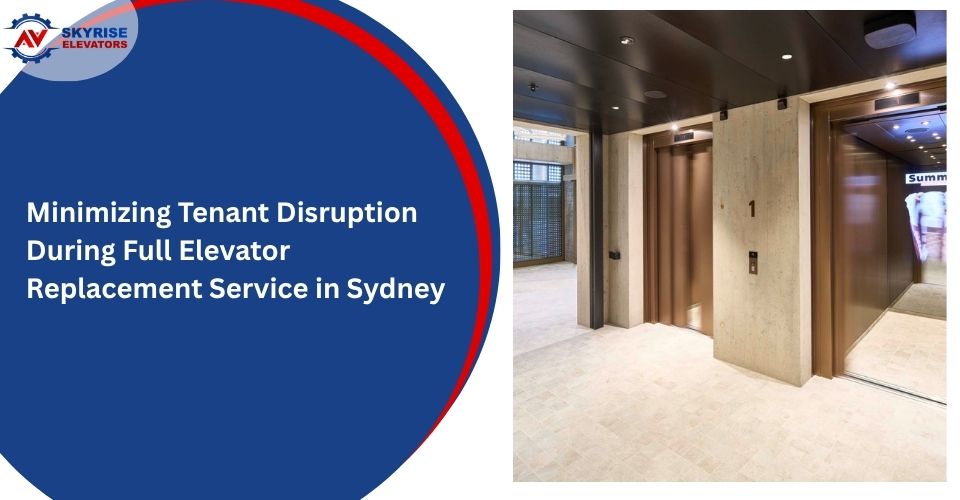
Minimizing Tenant Disruption During Full Elevator Replacement Service in Sydney
A well-planned elevator replacement not only improves building safety and performance but also ensures tenant satisfaction throughout the process. With experienced providers like Skyrise, building owners can execute a full elevator replacement service with minimal disruption while maintaining business continuity.
This article explores practical strategies to minimize tenant disruption during a full elevator replacement service in Sydney commercial buildings.
Understanding Full Elevator Replacement
Full elevator replacement involves removing the existing elevator system and installing a completely new one. This includes mechanical components, control systems, cables, hoisting machinery, and sometimes structural modifications.
Unlike partial upgrades or modernization, full replacement typically requires:
- Decommissioning the old elevator
- Dismantling components within the shaft
- Installing new equipment and systems
- Testing and commissioning the new elevator
Because elevators are essential for daily operations in commercial buildings, planning is crucial to avoid significant disruption.
Why Tenant Disruption Is a Major Concern
In commercial buildings, tenants depend heavily on elevators for accessibility, logistics, and daily workflow. Disruption during replacement can lead to:
- Reduced productivity
- Accessibility challenges for employees and visitors
- Delays in operations or deliveries
- Frustration among tenants
- Potential loss of rental value or tenant dissatisfaction
Managing these concerns effectively is a key responsibility for building owners and project managers.
1. Detailed Planning and Project Scheduling
The foundation of minimizing disruption lies in thorough planning. A structured timeline ensures that all stakeholders understand the phases of the project.
Key planning steps include:
- Conducting a site assessment
- Evaluating building usage patterns
- Identifying peak traffic hours
- Creating a phased replacement schedule
- Coordinating with tenants in advance
Working with experienced elevator specialists such as Skyrise allows for realistic timelines and efficient execution tailored to commercial environments in Sydney.
2. Clear Communication with Tenants
Transparent communication is essential to reduce confusion and frustration. Tenants should be informed well before the project begins and kept updated throughout each stage.
Effective communication strategies include:
- Sending advance notices explaining the scope of work
- Providing timelines and expected downtime
- Sharing weekly or daily progress updates
- Setting up a dedicated contact point for queries
- Using notices, emails, and digital boards within the building
When tenants understand what to expect, they are more likely to cooperate and adjust their routines accordingly.
3. Phased Replacement Approach
Instead of shutting down all elevator systems at once, a phased approach can significantly reduce disruption in commercial buildings.
This may involve:
- Replacing one elevator at a time in multi-elevator buildings
- Keeping at least one operational elevator available
- Scheduling work during off-peak hours where possible
- Rotating access to maintain partial service
Phased execution ensures that tenants still have access to elevator services during the replacement process.
4. Temporary Access Solutions
To further minimize inconvenience, temporary access solutions can be implemented:
- Designated service elevators for essential movement
- Temporary stairwell enhancements (signage, lighting)
- Freight scheduling for deliveries outside peak hours
- Staff assistance for accessibility needs
These solutions help maintain functionality even when elevators are partially or fully offline.
5. Off-Peak and After-Hours Work Scheduling
Scheduling high-impact tasks during off-peak hours can significantly reduce tenant disruption. This may include:
- Night-time installation work
- Weekend construction schedules
- Early morning or late evening operations
While this may increase labor coordination requirements, it minimizes interference with tenant activities during business hours.
6. Noise and Dust Control Measures
Construction activities associated with elevator replacement can generate noise, dust, and vibrations. Controlling these factors is essential in commercial environments.
Common mitigation techniques include:
- Using sound barriers and acoustic enclosures
- Implementing dust containment systems
- Scheduling noisy tasks during low-occupancy periods
- Using modern, low-noise equipment
These measures help maintain a comfortable working environment for tenants during the project.
7. Safety Management and Compliance
Safety is a top priority during any elevator replacement project. Proper safety protocols ensure that tenants and workers remain protected throughout the process.
Key safety practices include:
- Securing construction zones
- Restricting unauthorized access to work areas
- Following local building codes and regulations in Sydney
- Conducting regular safety inspections
- Providing clear signage and instructions
A professional contractor like Skyrise ensures compliance with industry standards and local regulations, reducing risk and liability.
8. Tenant Coordination and Support Services
Providing tenant support during the replacement process can greatly improve their experience. This includes:
- Dedicated project coordinators for tenant communication
- Assistance for tenants with mobility challenges
- Coordination with businesses that rely on elevator access for deliveries
- Flexible scheduling for critical tenant operations
Proactive support helps maintain positive relationships between building management and tenants.
9. Use of Advanced Equipment and Technology
Modern elevator replacement projects use advanced equipment and technology to streamline installation and reduce downtime.
Benefits of modern systems include:
- Faster installation processes
- Improved reliability and performance
- Enhanced energy efficiency
- Reduced maintenance requirements
- Smarter control systems for better traffic management
Companies like Skyrise leverage modern engineering techniques to optimize both speed and quality during replacement.
10. Post-Installation Testing and Commissioning
Before handing over the new elevator system, extensive testing and commissioning are required. This ensures that the system operates safely and efficiently.
This phase includes:
- Load testing
- Safety checks
- Performance validation
- System calibration
- Compliance verification
Proper commissioning ensures a smooth transition back to full service with minimal post-installation issues.
Long-Term Benefits of Full Elevator Replacement
Although the process may cause temporary disruption, the long-term benefits are significant:
- Improved safety and compliance with modern standards
- Increased reliability and reduced breakdowns
- Enhanced passenger comfort and speed
- Better energy efficiency
- Higher property value and tenant satisfaction
In commercial buildings across Sydney, upgrading elevator systems is an investment that supports long-term operational efficiency.
Final Thoughts
Full elevator replacement in commercial buildings is a complex but necessary process that requires careful planning, coordination, and execution. Minimizing tenant disruption should always be a top priority, as it directly impacts productivity, satisfaction, and building reputation.
By implementing strategies such as phased replacement, clear communication, off-peak scheduling, and tenant support, building owners can significantly reduce inconvenience during the project. Partnering with experienced professionals like Skyrise ensures that the entire process is handled efficiently, safely, and with minimal disruption.
In a dynamic urban environment like Sydney, where commercial buildings must operate continuously, a well-managed elevator replacement project not only upgrades infrastructure but also strengthens tenant trust and long-term building performance.