


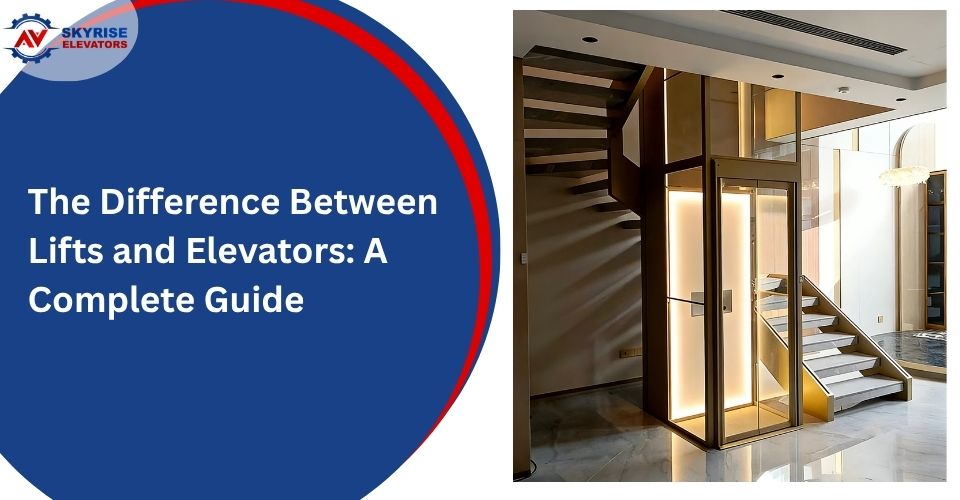
The Difference Between Lifts and Elevators: A Complete Guide
When planning for vertical mobility in a building, the terminology can get confusing. You might hear people use “lift” and “elevator” interchangeably. However, in the industry, these terms often refer to different types of systems with distinct features.
Understanding the difference is crucial for making the right investment for your home or business. This guide breaks down the key differences, pros, and cons to help you decide.
What Are Lifts?
A lift is generally considered a simpler vertical transport solution. Think of it as a basic mechanism designed for low-rise residential structures. Lifts usually have a straightforward mechanical setup. This makes them easier to install in buildings that do not have complex infrastructure.
Lifts are best suited for short distances, typically connecting two to four floors. They focus on getting the job done with minimal fuss.
While effective, they often lack the advanced features found in high-end systems. They are designed for fundamental movement rather than luxury or heavy-duty use.
What Are Elevators?
An elevator is a more advanced engineering marvel. These systems are built for smooth, efficient, and safe transportation across multiple floors. An elevator is a sophisticated piece of machinery equipped with top-tier safety features. This includes emergency braking, backup power, and smart control systems.
For homes, a house elevator represents a premium solution. It offers a superior ride quality, meaning you barely feel the movement.
Elevators are also highly customizable. You can choose the cabin design, lighting, and materials to match your home’s decor perfectly. They are built to last and handle daily wear and tear with ease.
Safety Standards and Features
The most important difference between lifts and elevators is safety. When it comes to moving people, you cannot compromise on security. Elevators are built with rigorous safety standards in mind. They often comply with international codes like EN 81-20.
- Elevators:
Come with multi-layered safety protocols. They have automatic rescue devices that activate during power failures. Overload protection prevents the cabin from moving if it is too heavy.
- Lifts:
Usually have standard safety features but may lack the comprehensive backup systems found in elevators. This can be a concern during emergencies like power outages.
If safety is your top priority, especially for elderly family members, an elevator is the superior choice.
Performance and User Experience
How the ride feels matters a lot. You want a system that is quiet, smooth, and reliable. This is where elevators truly shine. They use advanced technology to ensure a comfortable ride. The acceleration is gentle, and the noise levels are very low, often kept below 50 decibels.
In contrast, basic lifts might feel a bit more mechanical. You might notice the vibrations or hear the motor working harder. For occasional use, this might be fine. But for daily use, especially for those with mobility issues, the smooth performance of an elevator makes a significant difference in quality of life.
Installation Requirements
Installing a vertical transport system used to be a huge construction project. It often required digging a deep pit and building a separate machine room. However, technology has changed this. Modern elevators, like those from Skyrise, are designed for easier installation.
- Modern Elevators:
Many now require no machine room and need only a minimal pit. They can run on single-phase power and can be installed in just a few weeks.
- Lifts:
While traditionally simpler, some older models might still need structural changes that could affect your building.
Always consult with experts to see what your specific building requires.
Load Capacity and Accessibility
Consider who will be using the system. Do you need space for a wheelchair? Do you want to carry groceries or furniture easily? Elevators generally offer higher load capacities and more spacious cabins.
- Elevators:
Designed to accommodate multiple passengers comfortably. They are inclusive, making them perfect for wheelchair users and families with strollers.
- Lifts:
Often have limited space and lower weight limits. This can be restrictive if you need to transport heavy items or if your family grows.
If you are planning for the long term or have accessibility needs, the extra space of an elevator is a huge benefit.
Pros and Cons of Lifts
Lifts are a great solution for specific situations. They have their own set of advantages that might suit your needs perfectly.
- Space Saving:
They have a compact footprint, making them ideal for tight spaces like narrow stairwells.
- Cost:
The initial investment is usually lower. This appeals to homeowners working with a strict budget.
- Speed:
They can be installed quickly, often within 1-2 weeks, causing less disruption to your home.
However, there are downsides. The safety features are often more basic. The limited load capacity can be frustrating, and they offer fewer options for customizing the look.
Pros and Cons of Elevators
Elevators are an investment in your property’s value and your comfort. They bring a level of luxury and safety that is hard to match.
- Safety:
They offer advanced safety features like battery backup and emergency communication.
- Property Value:
Homes with quality elevators often see an increase in resale value.
- Comfort:
The ride is smoother, quieter, and more reliable.
The main drawback is the cost. The initial price is higher than a basic lift. However, when you consider the longevity and safety benefits, many find it worth the extra expense.
Making the Right Choice
Deciding between the two depends on your specific situation. You need to weigh your budget against your long-term needs.
Choose a Lift If:
- You have very limited space available.
- You are working with a tighter budget.
- The lift will be used rarely, like in a vacation home.
- You only need to travel between two floors.
Choose an Elevator If:
- Safety is your number one concern.
- You have elderly residents or someone with mobility challenges.
- You want a system that adds value to your property.
- You desire a smooth, quiet, and stylish ride.
Long-Term Value and ROI
While the upfront cost is a big factor, think about the long run. Elevators are built to last and often come with better maintenance plans. They are also a strong selling point. In competitive real estate markets, a home with a premium elevator stands out.
It is not just about convenience; it is about future-proofing your home. As families grow or needs change, an elevator adapts to your lifestyle better than a basic lift.
Why Choose Skyrise Elevators?
Navigating these choices can be tricky, but you don’t have to do it alone. Skyrise Elevators is an innovative lift organization dedicated to expert and reliable support. We specialize in bespoke lift installations and modernization for all types of structures across Australia.
Whether you need a solution for a private home or a commercial building, our specialized team is ready to help. We deal in portable types of lift installations and maintain leading brands to ensure your safety and satisfaction.
Conclusion:
Choosing between a lift and an elevator comes down to your specific needs for safety, space, and budget. While lifts offer a budget-friendly solution for simple needs, elevators provide superior safety, comfort, and long-term value. Assess your family’s requirements carefully to make the best choice for your home.
Ready to upgrade your home’s mobility? Contact Skyrise Elevators today to find the perfect solution for your space.