


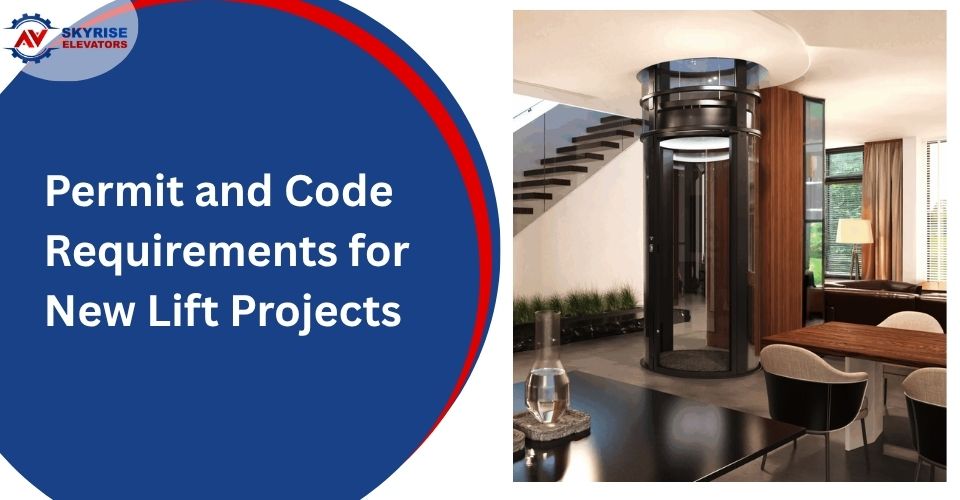
Permit and Code Requirements for New Lift Projects
Installing a new lift system is a major investment for any commercial or residential property. Beyond selecting the right elevator model, one of the most important parts of the process is understanding permits, building regulations, and safety code requirements. In Sydney, lift installations must follow strict compliance standards to ensure passenger safety, building functionality, and long-term reliability.
For property owners, developers, and contractors, working with experienced professionals helps avoid delays, legal complications, and expensive corrections. Many businesses searching for Elevator Installation Services Sydney want reliable guidance through both installation and compliance processes. At the same time, companies looking for a trusted Commercial Elevator Company Sydney often need experts who understand local codes, certifications, and council approvals.
At Skyrise, lift projects are handled with a strong focus on safety regulations, permit management, and high-quality installation standards.
Why Permits Matter in Lift Installation
Elevators are highly regulated systems because they directly affect public safety. Every lift project must comply with local building regulations and national safety standards before installation can begin.
Permits help ensure:
- Safe structural integration
- Proper electrical installation
- Fire safety compliance
- Accessibility compliance
- Passenger safety standards
- Legal building approval
Without proper permits, property owners may face:
- Construction delays
- Heavy penalties
- Failed inspections
- Insurance complications
- Occupancy restrictions
Proper planning reduces these risks significantly.
Main Authorities Involved in Lift Approvals
Several authorities may review elevator projects in Sydney depending on the building type and project size.
Common Regulatory Bodies
Local Councils
Councils often review:
- Development applications
- Building modifications
- Structural changes
- Accessibility compliance
Building Certifiers
Private or government certifiers inspect:
- Safety compliance
- Structural suitability
- Construction standards
SafeWork NSW
SafeWork NSW may regulate:
- Workplace lift safety
- Installation compliance
- Ongoing maintenance obligations
Fire Safety Authorities
Lift systems must align with:
- Emergency evacuation plans
- Smoke control systems
- Fire-resistant shaft requirements
Working with experienced elevator professionals helps streamline communication with these authorities.
Important Australian Standards for Lift Projects
Australia follows strict lift safety regulations under national standards.
Key Standards Often Applied
AS 1735 Series
This is one of the primary elevator safety standards in Australia.
It covers:
- Passenger lifts
- Goods lifts
- Escalators
- Safety mechanisms
- Lift installation requirements
National Construction Code (NCC)
The NCC outlines:
- Accessibility rules
- Fire protection
- Structural safety
- Building performance requirements
Disability Access Standards
Modern lift systems must often support accessibility compliance, especially in commercial buildings.
This may include:
- Wheelchair access
- Braille controls
- Audible floor announcements
- Proper door widths
Compliance improves both usability and property value.
Types of Permits Required for New Lift Projects
Permit requirements vary depending on project complexity and building type.
Common Permit Requirements
Development Approval
Needed when:
- Major structural modifications occur
- External building changes are involved
- New shafts are constructed
Construction Certificate
This confirms:
- Plans comply with regulations
- Structural requirements are approved
- Installation can legally proceed
Electrical Permits
Required for:
- Lift power systems
- Control panels
- Emergency backup systems
Occupation Certificate
Issued after final inspections confirm the lift is safe and compliant for public use.
Without this certificate, the lift may not legally operate.
Planning Considerations Before Installation
Early planning helps reduce delays and unexpected costs.
Key Factors to Assess
Building Structure
Engineers may evaluate:
- Shaft space
- Load-bearing capacity
- Ceiling heights
- Machine room requirements
Lift Type Selection
Different projects require different lift systems.
Common options include:
- Passenger elevators
- Freight lifts
- Hydraulic lifts
- Machine-room-less lifts
- Accessibility lifts
Traffic Requirements
Commercial properties often need systems designed for:
- High passenger volume
- Faster travel speeds
- Peak-hour efficiency
Accessibility Compliance
Modern buildings must usually provide accessible vertical transportation.
This is especially important for:
- Shopping centers
- Office buildings
- Healthcare facilities
- Public-use properties
Common Compliance Challenges in Lift Projects
Many property owners underestimate the complexity of elevator compliance.
Frequent Issues Include
Insufficient Shaft Space
Older buildings sometimes lack adequate room for modern systems.
Fire Safety Upgrades
Lift projects may trigger additional fire safety requirements such as:
- Fire-rated doors
- Smoke ventilation systems
- Emergency communication systems
Electrical Capacity Problems
Older buildings may require electrical upgrades before lift installation.
Accessibility Modifications
Commercial properties may need broader compliance upgrades beyond the lift itself.
Early site inspections help identify these issues before construction begins.
Why Commercial Projects Need Specialized Elevator Expertise
Commercial buildings often have stricter compliance demands than residential properties.
Businesses searching for a Commercial Elevator Company Sydney usually require advanced project management and regulatory knowledge.
Commercial lifts must often support:
- Heavy daily traffic
- Accessibility compliance
- Emergency evacuation systems
- Energy efficiency goals
- Long operational hours
Professional installation teams help ensure systems meet all legal and operational requirements.
The Lift Installation Process
Professional elevator installation follows a structured process designed to maintain compliance and safety.
Step 1: Site Assessment
Experts inspect:
- Building layout
- Structural conditions
- Accessibility needs
- Electrical infrastructure
Step 2: Design and Engineering
Detailed plans are prepared for:
- Shaft construction
- Mechanical systems
- Electrical integration
- Compliance approval
Step 3: Permit Applications
Required documents are submitted to:
- Councils
- Certifiers
- Safety authorities
Step 4: Installation
Professional teams install:
- Rails
- Lift cars
- Motors
- Safety systems
- Control panels
Step 5: Testing and Inspections
Before operation, lifts undergo:
- Safety testing
- Load testing
- Emergency system checks
- Compliance inspections
Step 6: Certification
After approval, the lift receives operational certification.
Importance of Ongoing Lift Maintenance
Compliance does not end after installation.
Regular maintenance is critical for:
- Passenger safety
- Legal compliance
- Performance reliability
- Equipment lifespan
Routine Maintenance May Include
- Brake inspections
- Door alignment checks
- Emergency communication testing
- Motor servicing
- Lubrication and adjustments
Neglecting maintenance can lead to:
- Safety risks
- Expensive breakdowns
- Compliance violations
- Reduced system lifespan
Professional servicing helps prevent unexpected operational issues.
Energy Efficiency and Modern Lift Technology
Modern elevator systems are becoming increasingly energy efficient.
Many new lift projects now include:
- LED lighting
- Smart standby systems
- Regenerative drives
- Energy-saving motors
These technologies help reduce:
- Electricity costs
- Environmental impact
- Building operating expenses
Contemporary systems also improve passenger comfort through quieter operation and smoother travel.
Why Property Owners Choose Professional Lift Specialists
Lift installation involves engineering, construction, compliance management, and long-term servicing. Choosing experienced professionals reduces project risks significantly.
At Skyrise, projects are managed with careful attention to safety standards, installation quality, and regulatory compliance.
Professional teams help property owners by:
- Managing permits
- Coordinating inspections
- Ensuring code compliance
- Delivering reliable installation
- Providing ongoing maintenance support
This creates a smoother project experience from planning to final certification.
Final Thoughts
New lift projects require much more than equipment installation. Proper permits, safety approvals, accessibility compliance, and building code requirements all play a critical role in successful elevator construction.
Whether for office buildings, retail centers, apartments, or public facilities, working with experienced specialists helps avoid costly delays and compliance problems.
Businesses searching for Elevator Installation Services Sydney need solutions that combine technical expertise with regulatory knowledge. Likewise, choosing a reliable Commercial Elevator Company Sydney ensures projects meet strict Australian standards while delivering long-term performance and safety.
With professional planning, proper certifications, and expert installation from Skyrise, property owners can confidently complete lift projects that improve accessibility, convenience, and building value for years to come.