


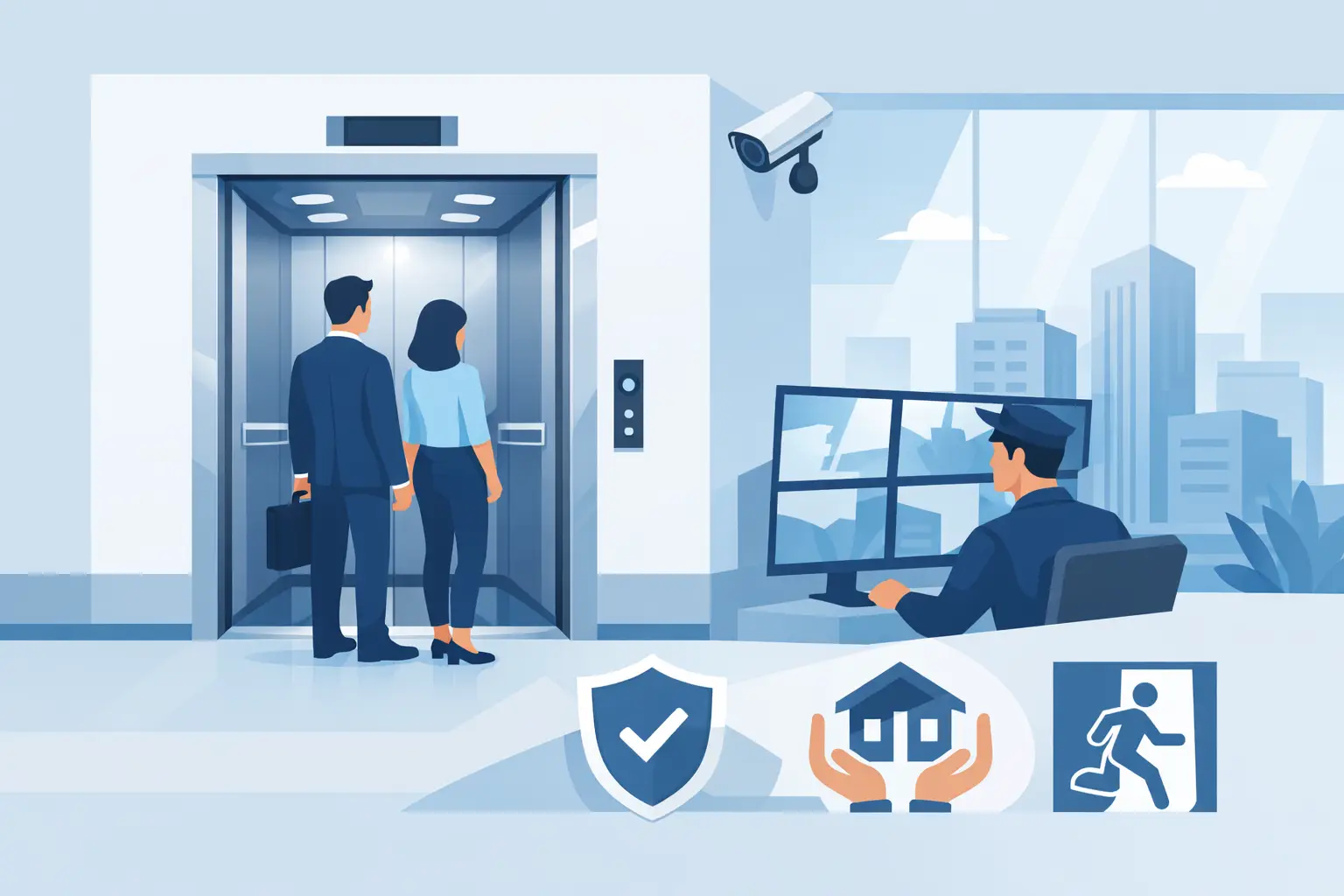
Commercial Elevators for Safer Buildings
When a lift goes down in a busy building, the problem spreads quickly. Tenants are delayed, deliveries back up, accessibility is affected, and facilities teams are left managing complaints as well as compliance concerns. That is why commercial lifts need more than a basic install – they need the right design, the right service plan, and support that keeps people moving.
What commercial lifts need to do well
Commercial lifts are not one-size-fits-all. A lift serving a low-rise office building has different demands from one in a hospital, shopping centre, school or industrial site. Traffic patterns, car size, travel speed, load requirements and accessibility all shape the right solution.
In practical terms, a good commercial lift should handle daily use without disruption, support safe passenger movement, and suit the building’s layout and purpose. It should also be serviceable over the long term. That matters more than many owners expect. A lift that looks right on paper can still create ongoing issues if parts access, maintenance frequency or future upgrade needs have not been properly considered.
This is where early planning makes a real difference. Builders and developers often focus on fitout, finishes and handover dates, but vertical transport has a direct effect on how the building performs once people move in. A poorly matched lift system can lead to bottlenecks, excessive wear and avoidable call-outs.
Choosing commercial lifts for the building type
The best lift setup depends on how the building operates every day. In an office environment, smooth passenger flow during peak morning, lunch and end-of-day periods is usually the priority. In retail, reliability and accessibility matter just as much, but there may also be a need to manage prams, trolleys and higher foot traffic on weekends.
Healthcare and aged care settings require another level of planning. Car dimensions, door operation, ride comfort and dependable uptime are critical when staff, patients or mobility equipment rely on the lift. In education settings, durability becomes a bigger factor because the lifts often deal with heavy use over short periods. Industrial and service environments may need goods lifts or more hard-wearing configurations built around freight movement rather than passenger comfort.
The right advice at this stage can prevent expensive rework later. It also helps property owners balance budget, performance and expected lifecycle costs instead of focusing only on the initial supply price.
Installation is only part of the job
A new lift installation is an important milestone, but it is not the finish line. Commercial lifts perform best when installation, commissioning, maintenance and future support are planned as one continuous service. That joined-up approach reduces the risk of handover issues and makes it easier to keep the system compliant and dependable once the building is occupied.
For developers, this means choosing a provider that can work alongside project teams and deliver a lift solution that fits the programme and building specifications. For owners and facility managers, it means knowing there is a clear service path after practical completion, not just a product left in place.
There is also a practical difference between bespoke and pre-engineered options. Pre-engineered lifts can be a strong fit where the building requirements are straightforward and timelines are tight. Bespoke systems are often better where space constraints, finishes, traffic demands or architectural requirements call for something more tailored. Neither is automatically better – it depends on the building and how the lift will actually be used.
Maintenance keeps commercial lifts reliable
Most lift problems do not begin as major failures. They usually start as small issues – unusual noise, slow levelling, door faults, intermittent controls or worn components. Left unchecked, those minor defects can become breakdowns that affect tenants, visitors and staff.
That is why structured maintenance matters. Regular servicing helps identify wear early, supports safe operation and gives owners a clearer picture of the lift’s condition over time. For facility managers, it also improves planning. Instead of reacting to every fault, maintenance allows for better budgeting, fewer urgent disruptions and a more stable service outcome.
Not every site needs the same maintenance schedule. A lightly used commercial building may have different service needs from a hospital or busy retail site. Usage, age, model and building type all influence the right approach. What matters is that maintenance is not treated as an afterthought.
Responsive repair support is just as important. Even a well-maintained lift can experience faults, and when that happens, response time affects both safety and business continuity. Delays can frustrate tenants and create access issues, especially in buildings where lifts are essential rather than optional.
When modernisation makes more sense than replacement
Many building owners assume they have only two options when an older lift starts causing problems: keep repairing it or replace it completely. In reality, modernisation is often the more practical middle ground.
Lift modernisation can involve upgrading controls, door systems, interiors, safety features or other key components while retaining parts of the existing installation that are still fit for purpose. This can improve reliability, energy efficiency and passenger experience without the cost and disruption of a full replacement.
That said, modernisation is not always the right answer. If the lift is at the end of its service life, parts are difficult to source, or the system no longer suits the building’s operational demands, full replacement may be the better long-term investment. The decision usually comes down to condition, compliance, downtime risk and total cost over the coming years rather than the next few months.
A clear technical assessment helps owners avoid spending money in the wrong place. Repeated patch repairs on an ageing system can become more expensive than a planned upgrade, especially when downtime starts affecting tenants or operations.
Safety, compliance and tenant confidence
Commercial lifts are part of a building’s essential infrastructure. When they work properly, most people barely notice them. When they do not, confidence drops fast.
Safety is the first priority, but it sits alongside compliance, accessibility and user experience. Building owners and managers need to know their lifts are being serviced correctly, checked by approved technicians and kept in a condition that supports safe public use. This is particularly important in buildings with vulnerable users, high foot traffic or limited alternative access.
There is also a reputational aspect. In commercial property, unreliable lifts can affect tenant satisfaction and the perceived standard of the building. For retail and hospitality sites, lift issues can influence customer experience. In workplaces, they can simply make the building harder to use. Reliable vertical transport supports the whole asset, not just the people travelling in the car.
What to look for in a commercial lift provider
For most property owners and managers, the real value is not in buying a lift. It is in securing a provider that can support the full lifecycle of that lift. Installation expertise matters, but so do maintenance capability, repair response, technical advice and the ability to recommend modernisation or replacement when the time comes.
That is especially useful for multi-site owners and facilities teams who do not want to manage separate contractors for supply, servicing and repairs. A single provider with broad vertical transport capability can simplify communication and create more accountability across the life of the equipment.
Technical competence should be matched by practical service. Clear recommendations, realistic timeframes and support that reflects the operational needs of the building make a measurable difference. In a live commercial environment, there is no value in vague advice or slow follow-up.
For that reason, many clients prefer to work with a company that handles commercial lifts as part of a wider lift and mobility service offering. It means the advice is grounded in real site conditions and long-term performance, not just the initial sale. That is the approach Skyrise Elevators brings to installation, maintenance, repairs, modernisation and replacement across a wide range of buildings.
Getting the best long-term result
A commercial lift is not just a compliance item or a convenience feature. It affects access, safety, operational flow and how people experience the building every day. The right system should suit current use, allow for future needs and be backed by service that reduces downtime and protects performance.
If you are planning a new development, reviewing an ageing lift, or dealing with ongoing faults, the best next step is usually a site-specific assessment. Good advice early can save considerable cost and disruption later. A reliable lift should not be a constant concern – it should simply do its job, day after day.