


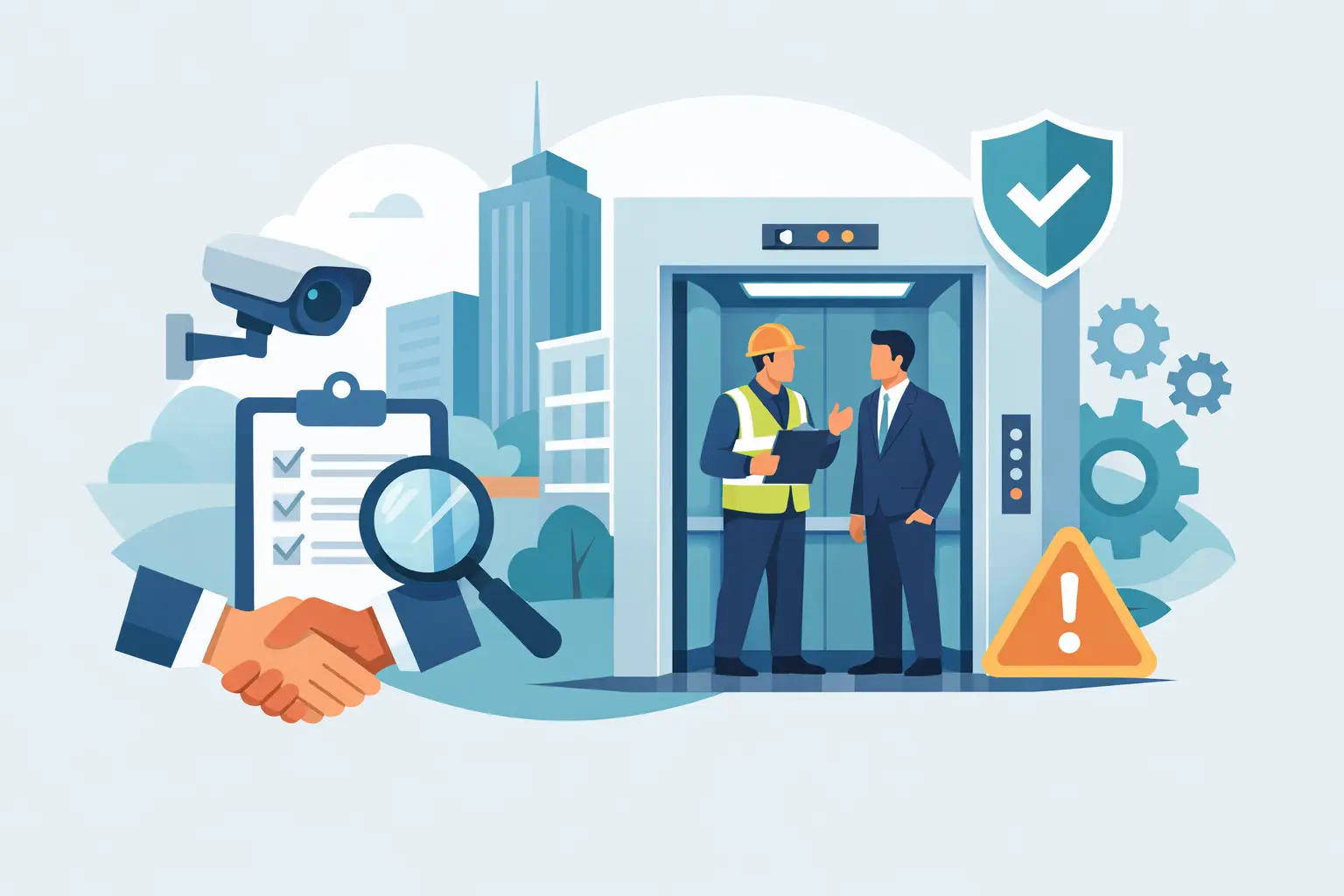
Lift Safety Compliance Australia for Building Owners
A lift can appear to be operating normally right up until a door fault, levelling issue or control failure disrupts a building. That is why lift safety compliance Australia is not simply a box to tick after a maintenance visit. For property owners and facility managers, it is an ongoing responsibility that combines safe equipment, competent servicing, clear records and prompt action when faults are identified.
Whether you manage an apartment building, medical centre, warehouse, retail site or aged care facility, your lift system needs a practical compliance plan. The right approach protects passengers, helps meet workplace health and safety obligations, reduces avoidable downtime and gives you a clearer view of the condition of a critical building asset.
Lift safety compliance Australia: what owners need to manage
Lift compliance sits across several areas. The exact obligations can vary according to the state or territory, the building type, the age and use of the lift, and whether the equipment is classified as registrable plant. Requirements may also be influenced by applicable Australian Standards, the National Construction Code, manufacturer instructions and site-specific workplace health and safety procedures.
For building owners and people with control of a workplace, the central duty is straightforward: risks associated with lift operation must be identified and managed. In practice, this means engaging competent lift technicians, maintaining equipment in safe working order, responding to known defects, and retaining evidence of the work performed.
A service provider can complete scheduled maintenance and advise on technical risks, but the duty holder should still understand what is being reported and what action is required. A repeated fault noted across several service reports is not just an operational inconvenience. It may indicate a developing safety or reliability issue that needs repair, adjustment or modernisation.
The lift is a system, not just a car
Compliance decisions should cover the complete lift installation. This includes the car, landing doors, door operators, levelling systems, ropes or belts, safety gear, pit equipment, machine room or controller space, emergency communication equipment and electrical components.
A fault in any one of these areas can affect safe use. For example, unreliable door reopening may create a passenger risk, inaccurate floor levelling can create a trip hazard, and a non-functioning emergency phone can compromise the response to an entrapment. Looking only at whether the lift travels between floors misses the wider safety picture.
Start with a current maintenance plan
Planned maintenance is the foundation of safe lift operation. A suitable maintenance program is based on the lift type, usage levels, age, environment and manufacturer recommendations. A high-traffic commercial lift or goods lift operating in a dusty industrial environment generally needs a different maintenance approach from a lightly used residential lift.
The maintenance plan should set out the visit frequency, routine checks, testing requirements, reporting process and escalation pathway for defects. It should also identify who receives reports and who is authorised to approve repairs. This avoids delays when a technician identifies a fault that should not wait until the next scheduled visit.
A low-cost maintenance arrangement may appear attractive, particularly where a lift has few recent call-outs. The trade-off is often reduced inspection time, inconsistent reporting or a reactive approach to component wear. Reliable lift maintenance is about preventing failures where possible, not simply attending after passengers are affected.
For older equipment, a technician may recommend condition monitoring or a lifecycle assessment. This helps owners distinguish between a repair that will provide dependable service and a short-term fix that is likely to recur.
Keep compliance records accessible and complete
Accurate documentation is one of the clearest ways to demonstrate that lift safety is being actively managed. Records should be available to the relevant building representative and stored where they can be accessed during an audit, incident investigation or change in building management.
Your lift file should include maintenance reports, defect notices, repair quotations and completion records, breakdown history, test documentation, risk assessments where required, and details of any alterations or upgrades. Keep records of emergency communication checks and any rescue or release procedures used on site as well.
Service reports should do more than state that a technician attended. A useful report identifies the equipment checked, faults found, work completed, parts that may require replacement, and recommendations for further action. When recommendations are repeatedly deferred, record the decision and review the risk with your lift provider.
This is particularly relevant for strata committees and managing agents. Committee membership and building managers can change, but the lift’s condition history remains. A well-maintained record trail prevents essential work from being lost between handovers.
Treat faults and entrapments as operational signals
Not every breakdown means the lift is unsafe to operate, but every recurring fault deserves attention. Door faults, intermittent stopping, poor floor levelling, unusual noise, water ingress and controller alarms should be assessed by a qualified technician rather than managed through repeated resets.
If a lift is taken out of service, clear communication matters. Secure the affected lift, display appropriate signage and notify occupants or tenants where access will be affected. In buildings where a lift is essential for accessible travel, patient movement, goods handling or resident mobility, consider the contingency arrangements before a shutdown occurs.
Entrapments also need a controlled response. Building staff should know who to contact, avoid attempting unauthorised passenger release, and provide calm communication to passengers where possible. After the event, review the cause, the response time and any preventative work recommended by the attending technician.
Emergency phones and alarm systems need particular attention. These systems must work when they are needed, including in poor mobile coverage areas or during a power-related event where applicable backup arrangements are required. Testing should form part of the maintenance and site safety routine, not be left until an incident exposes a problem.
Know when repair is no longer enough
A lift does not need to be completely out of service before modernisation becomes the sensible compliance and reliability decision. Ageing controllers, obsolete door equipment, worn drive systems and unsupported components can make it harder to maintain consistent performance or source parts quickly.
Modernisation can improve safety features, reliability, ride quality and diagnostic capability while extending the useful life of the existing lift. The scope depends on the condition of the equipment and the building’s needs. In some cases, replacing door operators or the controller is appropriate. In others, a broader upgrade or full replacement may offer better long-term value.
The key is to make the decision using evidence. Review breakdown frequency, repair costs, parts availability, passenger complaints, service reports and the impact of downtime on the building. For a healthcare or aged care site, even a short outage may have a greater operational consequence than it would in a low-rise office building. For an industrial site, the lift’s role in moving stock or equipment may make redundancy and response times the priority.
Manage site changes that affect lift safety
Compliance can be affected by work that is not directly related to the lift. Building renovations, water leaks, electrical changes, fire services works and changes to access arrangements can all create new risks around lift equipment.
Before contractors work near lift shafts, pits, machine rooms or controller cabinets, make sure responsibilities are clear. Lift equipment should not be used for construction purposes unless it is designed, approved and managed for that use. Keep machine rooms and control spaces secure, dry and free from storage, and ensure safe access is maintained for authorised technicians.
If your building use changes, review whether the existing lift remains suitable. A residential building converted to mixed use, a warehouse with heavier goods movement, or an aged care facility with increased mobility needs may require a different maintenance regime or equipment upgrade.
Work with a lift partner that communicates clearly
The best maintenance relationship is not based solely on attendance frequency. It is based on technical accountability, clear reporting and practical advice when a fault or upgrade is identified. Your provider should explain the issue in plain language, outline the urgency, and distinguish between immediate safety work, reliability repairs and longer-term improvement opportunities.
Skyrise Elevators supports building owners and managers with lift maintenance, repairs, modernisation and replacement services designed around safe operation and minimal disruption. A structured service approach gives decision-makers the information they need to plan work before a minor issue becomes an avoidable outage.
If you are unsure whether your current lift records, maintenance scope or recurring faults are receiving the right attention, arrange a professional review. A clear assessment of the equipment’s condition is often the most useful next step towards safer, more dependable vertical transport.