


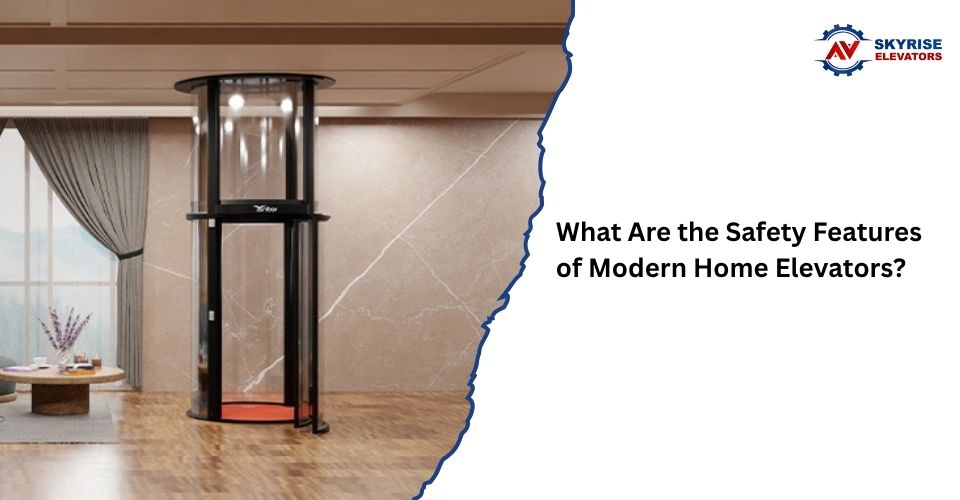
What Are the Safety Features of Modern Home Elevators?
Home elevators have become increasingly popular in modern residential properties. Families now install residential lifts not only for convenience and luxury but also for accessibility, mobility support, and future-proof living. As more homeowners adopt elevator systems, safety has become one of the most important considerations during installation.
Modern residential elevators are designed with advanced technology and multiple protection systems that help ensure smooth and secure operation. Today’s elevator systems are far safer, smarter, and more reliable than older models. Manufacturers now focus heavily on preventing accidents, improving user confidence, and meeting strict safety regulations.
Whether installed in villas, duplex homes, or multi-story residences, modern elevators include several built-in features that protect users during daily operation.
Skyrise Elevators provides advanced residential lift solutions designed with modern safety standards, comfort, and reliability in mind.
Why Safety Matters in Residential Elevators
Unlike commercial buildings, home elevators are often used by:
- Children
- Elderly family members
- Individuals with mobility challenges
- Patients recovering from injuries
This makes safety a top priority. A properly designed home elevator reduces physical strain while providing a safer alternative to staircases, especially for seniors.
Modern safety systems also help homeowners feel more confident using elevators daily without worrying about sudden failures or accidents.
Emergency Backup Power Systems
One of the most important safety features in modern home elevators is the emergency backup power system.
During a power outage, the elevator automatically switches to backup power and safely moves the cabin to the nearest floor. This prevents users from becoming trapped inside the lift.
Benefits include:
- Safe exit during electricity failure
- Reduced panic during emergencies
- Continuous operation for short periods
- Improved reliability in residential settings
Backup battery systems are now considered an essential part of modern elevator safety.
Automatic Door Sensors
Modern home elevators use intelligent door sensors to prevent accidents while opening or closing.
These sensors detect:
- Hands
- Objects
- Pets
- Obstacles near the entrance
If something blocks the doorway, the elevator doors stop closing immediately and reopen automatically.
This feature is particularly useful for homes with:
- Young children
- Elderly individuals
- Pets
- Wheelchair users
Automatic sensors greatly reduce the risk of injuries caused by closing doors.
Emergency Alarm and Communication Systems
Most residential elevators now include emergency communication systems inside the cabin.
These systems may include:
- Emergency alarm buttons
- Intercom systems
- Telephone connectivity
- Two-way communication features
If users experience difficulty inside the elevator, they can quickly contact someone for assistance.
This safety feature becomes especially important for elderly individuals or people with medical conditions who may need immediate help.
Overload Protection Technology
Overloading can damage elevator systems and increase operational risks. Modern elevators include overload sensors that detect when the cabin exceeds its weight capacity.
When overloaded:
- The elevator does not operate
- Warning alerts activate
- Users are instructed to reduce weight
This prevents mechanical stress and improves overall operational safety.
Homeowners should always follow manufacturer weight guidelines to maintain elevator performance and longevity.
Smooth Start and Stop Mechanisms
Older elevator systems often caused sudden jerks during movement. Modern home elevators now use advanced drive systems that provide smoother acceleration and stopping.
Benefits include:
- Increased passenger comfort
- Reduced risk of falls
- Safer use for elderly individuals
- Better wheelchair stability
Smooth movement technology also reduces wear on elevator components over time.
Skyrise Elevators integrates modern lift technology that prioritizes both passenger comfort and operational safety for residential spaces.
Automatic Rescue Device (ARD)
An Automatic Rescue Device is another major advancement in elevator safety.
In case of sudden electrical failure:
- The system activates automatically
- The elevator moves to the nearest floor
- Doors open safely for passenger exit
This feature minimizes the risk of entrapment and improves emergency response.
ARD systems are especially valuable in residential properties where technical staff may not always be immediately available.
Child Safety Features
Families with children benefit greatly from modern elevator child safety systems.
Common child safety features include:
- Control panel lock options
- Door safety sensors
- Restricted access settings
- Emergency stop controls
These features help prevent misuse and accidental operation by young children.
Parents can also limit access to specific floors depending on the elevator model and control system.
Fire Safety Integration
Modern home elevators are designed to respond safely during fire emergencies.
Some fire safety functions include:
- Automatic return to designated floors
- Smoke detection integration
- Fire-resistant materials
- Emergency shutdown systems
During emergencies, elevators may automatically stop operation to reduce risk and support safe evacuation procedures.
However, homeowners should always follow local fire safety guidelines regarding elevator use during fires.
Anti-Slip Flooring and Handrails
Passenger safety also depends on cabin design.
Modern elevators often include:
- Anti-slip flooring
- Handrails for support
- Soft interior lighting
- Spacious cabin layouts
These features improve stability and reduce fall risks, especially for elderly users.
Wheelchair-accessible elevators also include wider entry points and smoother floor leveling for easier mobility.
Smart Monitoring and Diagnostic Systems
Technology has significantly improved elevator maintenance and safety monitoring.
Modern residential lifts can now detect:
- System malfunctions
- Maintenance requirements
- Unusual operating conditions
- Mechanical performance issues
Some systems even provide remote monitoring capabilities for technicians.
This proactive approach helps identify small problems before they become major safety concerns.
Importance of Professional Installation
Even the best safety features depend on proper installation and maintenance.
Professional installation ensures:
- Correct structural support
- Electrical safety compliance
- Accurate system calibration
- Reliable long-term performance
Homeowners should always choose experienced elevator providers that follow certified safety standards.
Regular inspections and servicing also help maintain safety and prevent unexpected breakdowns.
Maintenance Is Essential for Safety
Routine maintenance is critical for keeping home elevators safe and efficient.
Regular servicing includes checking:
- Motors
- Door sensors
- Emergency systems
- Brake functions
- Control panels
- Backup batteries
Ignoring maintenance can increase the risk of operational problems and reduce elevator lifespan.
Professional maintenance schedules help ensure consistent performance and user safety.
The Future of Residential Elevator Safety
Home elevator technology continues evolving rapidly. Future innovations may include:
- AI-powered diagnostics
- Smart home integration
- Voice-controlled systems
- Advanced predictive maintenance
- Enhanced energy efficiency
As technology improves, residential elevators will become even safer, more efficient, and easier to use.
Homeowners increasingly view elevators not just as luxury additions but as practical long-term investments for accessibility and comfort.
Final Thoughts
Modern home elevators are designed with multiple advanced safety systems that protect users during everyday operation. From emergency backup power and door sensors to overload protection and smooth movement technology, today’s residential lifts prioritize both convenience and security.
For homeowners considering a residential elevator, understanding these safety features is essential before installation. Choosing a trusted provider and maintaining the system regularly helps ensure long-term reliability and peace of mind.
Skyrise Elevators offers modern residential elevator solutions that combine advanced safety technology, elegant design, and dependable performance for contemporary homes.