


Who Pays Strata Lift Repairs in Australia?
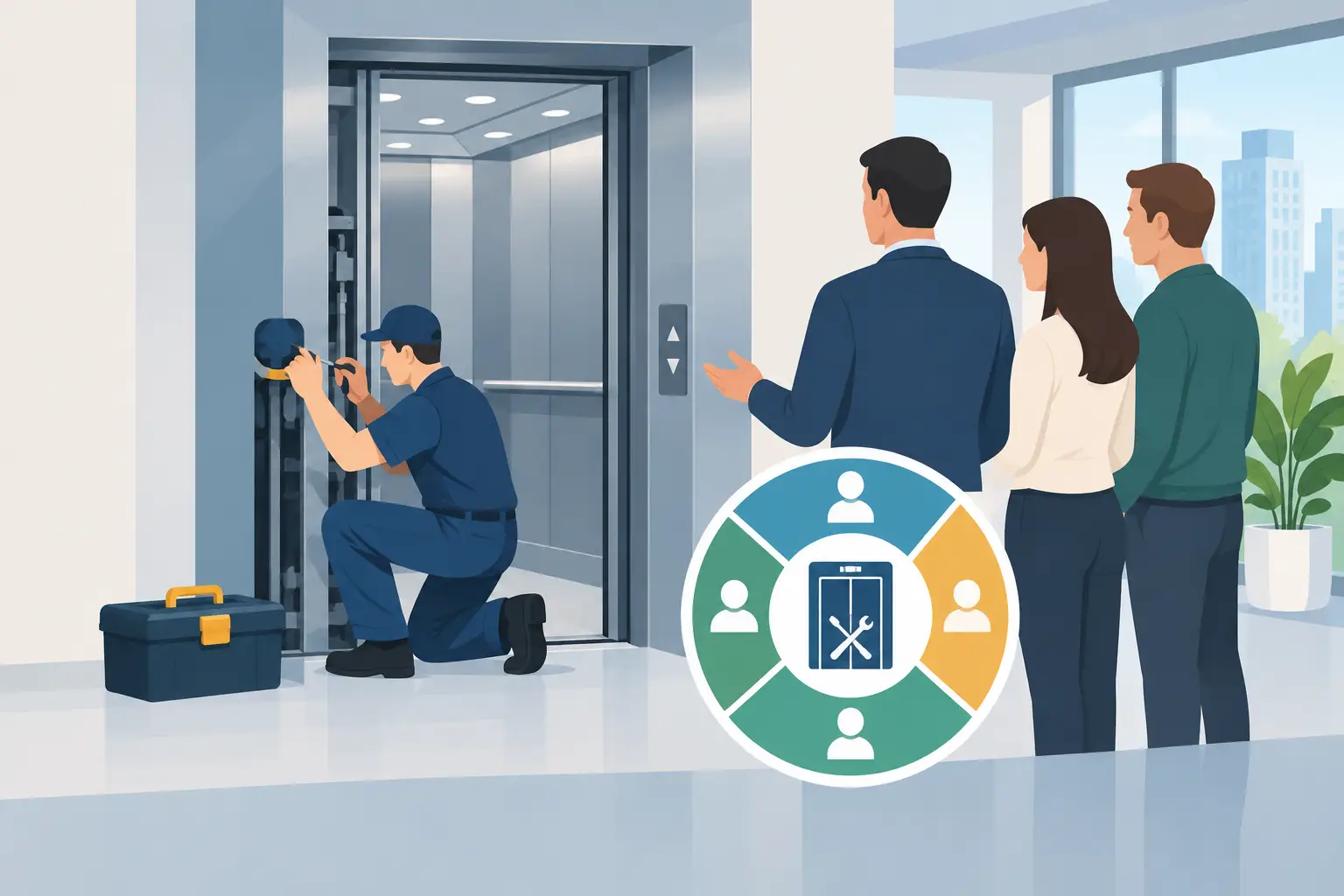
A lift stops between floors on a busy weekday, or its doors begin reopening unpredictably. The immediate priority is passenger safety and getting the lift assessed by an approved technician. The next question is usually financial: who pays strata lift repairs? In most Australian strata buildings, the owners corporation or body corporate pays because the lift is common property. However, the final cost can depend on the strata plan, the cause of the fault, insurance cover and whether a particular lot owner is responsible.
Who pays strata lift repairs in most buildings?
A lift serving more than one apartment, level or common area is generally part of the building’s common property. That means responsibility for maintaining, repairing and replacing it usually sits with the owners corporation, called a body corporate in some states.
Repair costs are normally paid from the strata scheme’s administrative fund, capital works fund or both, depending on the nature and value of the work. Day-to-day servicing, minor repairs and call-out costs may come from the administrative fund. Significant component replacement, controller upgrades or major lift modernisation work may require money from the capital works fund or a special levy.
Although the owners corporation arranges and pays the contractor, the expense is ultimately shared by lot owners through their strata levies. Each owner contributes according to the scheme’s entitlement schedule or the contribution method set out in its governing documents.
This can feel unfair to residents on lower floors who rarely use the lift. But where the lift is common property, it supports the building as a whole. It contributes to accessibility, visitor access, property value, emergency movement and the proper operation of shared facilities.
When a lot owner may be responsible
There are circumstances where a repair bill may be recovered from an individual owner or occupier. The key issue is whether their action, alteration or breach caused the damage.
For example, a lot owner may be liable if an unauthorised move damages lift doors or cabin finishes, if building materials are transported in a way that damages lift equipment, or if a resident has interfered with lift controls. A tenant may cause the damage, but the owners corporation will often pursue the lot owner under the relevant by-laws or lease arrangements, leaving the owner to address the matter with their tenant.
Responsibility can also change where a lift or platform is installed exclusively for one lot, such as a private accessibility lift within a townhouse or a dedicated lift serving a penthouse. The strata plan, by-laws and any exclusive-use agreement need to be reviewed closely. These documents may make the individual owner responsible for servicing, repairs, insurance or replacement, even if the equipment sits within a broader strata scheme.
The detail matters. A lift that appears to be private may still involve common electrical systems, structural openings or shared safety obligations. Before approving work or allocating costs, the strata manager and committee should confirm the ownership and maintenance responsibilities recorded for the scheme.
Maintenance, repairs and replacement are not the same cost
A structured maintenance agreement is designed to identify wear before it creates a shutdown. It commonly covers routine inspections, testing, adjustment and preventative maintenance tasks. It does not necessarily include every replacement part, after-hours call-out or damage repair.
A repair restores a fault or worn component. This might involve door rollers, locks, levelling equipment, landing buttons, safety circuits or drive-system components. The owners corporation will generally fund this work when it relates to common property and normal wear.
Replacement or modernisation is a larger decision. An ageing lift may have recurring faults, obsolete parts or poor reliability even when it is maintained correctly. Replacing a controller, upgrading door equipment or undertaking a full lift modernisation can reduce breakdowns and improve compliance, but it needs proper budgeting and owner approval under the applicable state legislation and scheme rules.
For this reason, committees should avoid treating every major repair as an isolated surprise. A current capital works forecast helps the scheme plan for predictable lifecycle costs and reduces the likelihood of an urgent special levy.
Does strata insurance cover lift repairs?
Strata insurance may respond where damage results from an insured event, such as fire, storm damage, flood, impact damage or vandalism, subject to the policy wording, exclusions and excess. It is not a substitute for lift maintenance.
Mechanical breakdown cover may be included in some policies or available as an optional extension. Even then, cover can be limited. Insurers may exclude gradual deterioration, corrosion, lack of maintenance, pre-existing defects or equipment that has reached the end of its serviceable life.
If a claim is likely, the committee should notify its insurer or broker promptly and retain the technician’s report, photographs and quotations. Emergency works needed to make the lift safe should not be delayed while a claim is assessed. The scheme should also check who pays the excess and whether the policy permits the preferred repair approach.
Insurance outcomes are fact-specific, so an insurer should confirm cover rather than the committee assuming that every lift failure is claimable.
What happens when a lift repair is urgent?
An unsafe or non-operational lift can affect residents, customers, staff and visitors immediately. In healthcare, aged care, retail and multi-storey residential buildings, a prolonged shutdown may also create serious access issues for people with limited mobility.
Strata committees generally have authority to arrange urgent work needed to protect people or common property, even where a larger expenditure decision would usually require a formal resolution. The exact approval pathway depends on the state, the scheme’s rules and the value of the work, but safety must come first.
A qualified lift technician should inspect the equipment, isolate it where necessary and provide clear advice on the fault, required repair and expected downtime. The committee should communicate early with residents or tenants, particularly where the building has only one lift. Clear updates reduce frustration and help vulnerable occupants make arrangements while repairs are underway.
How committees can control lift repair costs
The lowest repair quote is not always the lowest building cost. Inadequate diagnosis, non-genuine parts, delayed repairs or incomplete maintenance can lead to repeated call-outs and longer downtime. For a critical piece of building infrastructure, value comes from safe workmanship, sound technical advice and parts that suit the lift system.
Committees can make better decisions by keeping service records, fault reports and maintenance recommendations together. Patterns matter. Frequent door faults, repeated levelling issues or unavailable parts may point to a broader reliability problem rather than a series of unrelated repairs.
A practical approach includes four measures:
- Maintain a scheduled preventative maintenance program with clear inclusions and response arrangements.
- Review recommendations for safety-critical repairs promptly rather than deferring them until a breakdown occurs.
- Build foreseeable major works into the capital works plan, including ageing controllers, door systems and compliance upgrades.
- Confirm move-in, delivery and contractor procedures so lifts are protected from avoidable damage.
For larger repairs, seek advice that explains the immediate fix alongside the longer-term options. A repair may be the right decision where the rest of the equipment is reliable. In other cases, repeated spending on an obsolete system can be less economical than a planned modernisation.
A clear process protects the strata scheme
When a lift fault occurs, the committee should first arrange a safety assessment and obtain a written report. It should then establish whether the equipment is common property, identify the likely cause and check the applicable maintenance contract and insurance policy. If another party caused the damage, the owners corporation can consider recovering the cost under the scheme’s by-laws and legal advice where required.
State-based strata laws differ, and each building’s registered plan and by-laws can alter the outcome. A strata manager can assist with governance and approvals, while a qualified lift provider can explain the technical cause, repair scope and options for reducing future failures.
Reliable lift maintenance is more than a budget line. It is a practical investment in safety, accessibility and the day-to-day confidence of everyone who uses the building. When repair responsibilities are clear and the right technical support is in place, committees can act quickly without losing sight of the building’s long-term performance.