


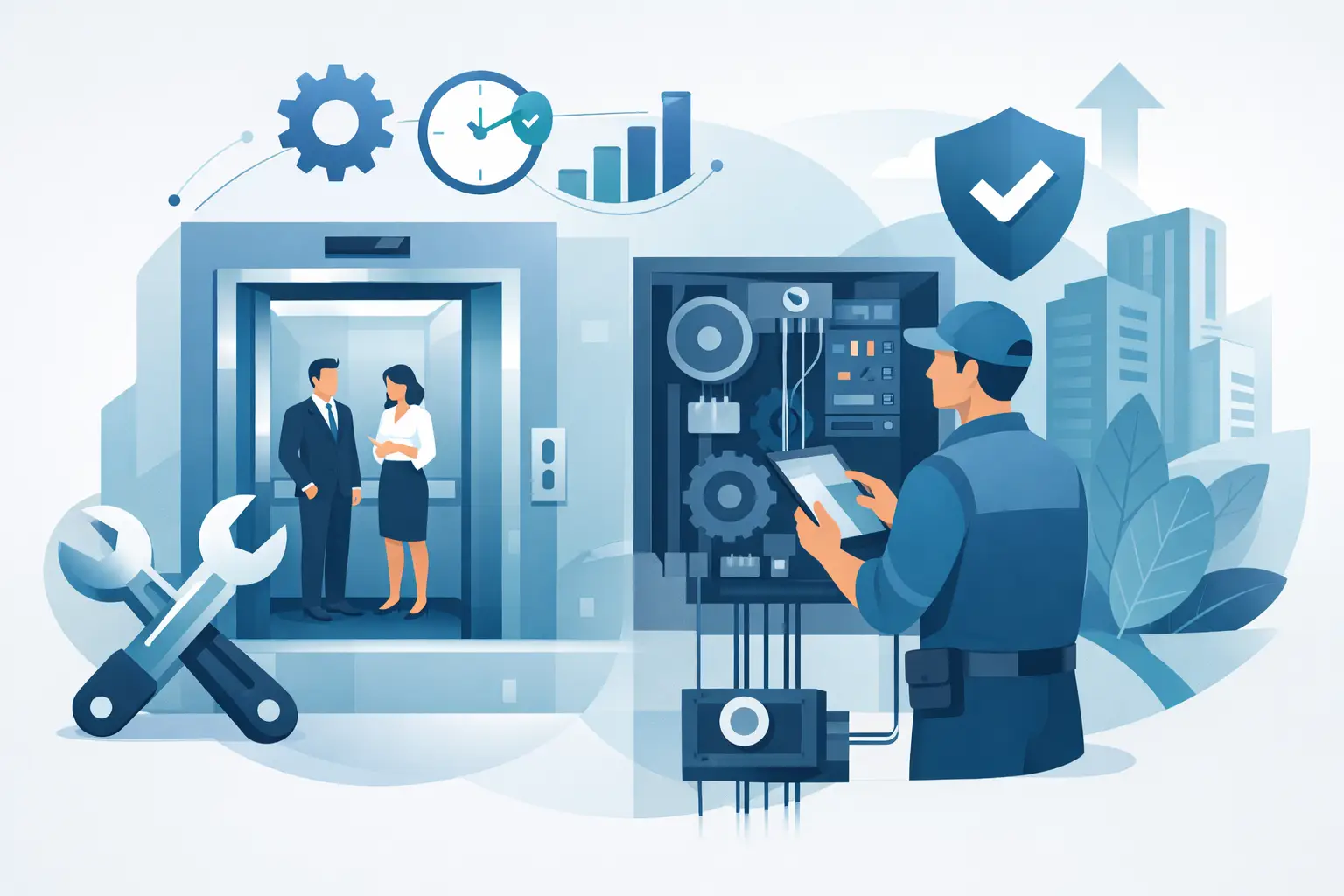
How to Improve Lift Reliability in Your Building
A lift that stops unexpectedly can quickly affect far more than travel between floors. For tenants, visitors, staff and residents, it creates frustration and access concerns. For building owners and facility managers, it can mean complaints, disrupted operations and unplanned repair costs. Knowing how to improve lift reliability starts with treating the lift as essential building infrastructure, not an asset that only needs attention when it breaks down.
Reliability is built through consistent servicing, fast action on early warning signs and practical decisions about repairs, upgrades and replacement. The right approach will vary by building, lift age, passenger volume and operating environment, but the aim remains the same: safe, dependable vertical transport with minimal downtime.
How to improve lift reliability through planned maintenance
Planned maintenance is the foundation of reliable lift performance. A structured maintenance programme gives approved technicians the opportunity to inspect, test, adjust and clean critical components before a minor issue becomes a lift outage.
A proper service visit should address more than the most visible parts of the lift. The technician needs to assess the controller, door equipment, safety circuits, levelling accuracy, travel performance, machine room or shaft conditions, and communication systems. Doors in particular deserve close attention. They are among the most frequently used and most common sources of lift faults, especially in busy commercial buildings, hospitals, retail sites and apartment complexes.
The maintenance interval should match how the lift is used. A low-use residential lift may have different servicing needs to a goods lift operating throughout the day or a passenger lift in a high-rise office building. Site conditions also matter. Dust, moisture, heat, coastal air and construction activity can all affect components and increase the need for inspection.
A maintenance programme should produce a clear record of work completed, faults identified and recommendations made. This allows building managers to see patterns rather than responding to each call-out in isolation. Repeated door faults, intermittent levelling errors or recurring controller alarms are signs that a more permanent repair may be required.
Act on small faults before they cause downtime
Many lift breakdowns are preceded by smaller symptoms. A door that hesitates before closing, a cabin that stops slightly above or below floor level, unusual noises, slow travel, flickering indicators or intermittent button response should not be dismissed as minor inconveniences.
These issues may be caused by wear, contamination, misalignment, electrical connections or ageing electronic components. Left unresolved, they can develop into a shutdown at the least convenient time. Early repairs are usually less disruptive than emergency work and can help protect related components from further damage.
Facility teams can support reliability by reporting symptoms accurately. Rather than simply logging that the lift is “not working”, record the floor, time, fault message, sounds observed and whether the issue affected doors, travel or landing operation. This information helps a technician diagnose intermittent problems more efficiently.
For buildings with multiple lifts, a fault trend in one unit is also useful information for the others. Similar equipment installed at the same time may be approaching the same wear point, although each lift should still be assessed on its own condition.
Keep doors, entrances and lift areas clear
Lift reliability is affected by how the equipment is treated every day. Door tracks, sills and landing entrances are exposed to dust, rubbish, trolleys, footwear and water. In goods and service lift environments, impacts from pallets, carts and equipment can damage doors or affect alignment.
Simple site practices reduce unnecessary faults. Keep door sills clean, do not force doors open or closed, and make sure deliveries are managed without striking landing doors or cabin panels. If a lift is being used to move building materials, furniture or industrial goods, confirm that it is suitable for the load and task.
Overloading is another avoidable source of problems. The lift’s rated capacity applies to total weight, not just the number of people inside. Repeated overloading can place extra strain on mechanical and electrical systems, while poor load placement in a goods lift can affect safe operation.
Building managers should also manage water exposure quickly. Water entering a lift shaft, pit, landing sill or equipment area can create serious electrical and corrosion risks. This is particularly relevant after storms, plumbing leaks or cleaning incidents. A prompt inspection is preferable to waiting for a fault to appear.
Use quality repairs and compatible components
When a component fails, the cheapest repair is not always the most economical choice over the lift’s life. Poor-quality parts, unsuitable substitutions and temporary fixes can lead to recurring call-outs, inconsistent performance and difficulty sourcing support later.
Experienced technicians should identify the cause of the fault, not only replace the component that stopped working. For example, a failed door component may be linked to a worn mechanism, damaged wiring, contamination or incorrect adjustment. Replacing one item without addressing the underlying condition can result in the same fault returning.
Component availability also affects downtime. Older lifts may rely on obsolete parts or systems with limited technical support. In this situation, a building owner may need to compare the cost and risk of repeated repairs with a targeted modernisation. The right decision depends on fault frequency, safety condition, expected remaining life and the building’s operational requirements.
Monitor performance, not just breakdowns
A lift can still be unreliable even if it has not had a full shutdown. Frequent resets, brief delays, nuisance faults and repeated service visits affect user confidence and can point to declining performance.
Useful reliability measures include:
- the number of call-outs and repeat faults
- total lift downtime and the duration of each outage
- door-related faults and levelling issues
- parts replaced over time and their associated costs
- response times for urgent repairs and scheduled maintenance
Reviewing these records helps identify whether maintenance is preventing faults or simply reacting to them. It also gives owners better evidence when budgeting for repairs, upgrades or replacement.
For facilities with high passenger demand, lift monitoring can provide earlier visibility of operating conditions and fault events. Monitoring does not replace a technician’s inspection, but it can help maintenance teams respond faster and make more informed decisions.
Consider lift modernisation before failures become frequent
Lift modernisation is often the most practical way to improve reliability in ageing buildings without replacing the entire lift. It can involve upgrading the controller, door operator, drive system, wiring, fixtures, safety equipment or communication system, depending on the lift’s condition.
Modernising selected high-wear or obsolete components can reduce fault frequency, improve ride quality and make future servicing easier. It may also improve energy efficiency and support current safety expectations. However, modernisation needs careful planning. Installing new equipment alongside severely worn mechanical components may not deliver the intended result, while a full replacement may be more appropriate for a lift with broad structural, mechanical and electrical deterioration.
The best option comes from a condition assessment that looks beyond a single recent breakdown. Consider the lift’s age, service history, parts availability, traffic levels, compliance needs and the cost of keeping the lift operational during works. In a busy building, staging the work and maintaining access arrangements can be just as important as the technical scope.
Maintain reliable lift communications and emergency response
A reliable lift must also provide dependable communication when something goes wrong. The lift phone or emergency communication system should be tested as part of routine maintenance, with clear procedures for responding to a trapped passenger.
Building staff should know who to call, how to keep occupants informed and why untrained personnel must never attempt to force open lift doors or release passengers. Fast, professional response protects people first and reduces the risk of further equipment damage.
For property managers, it is worth confirming that emergency contact details are current and that access to relevant plant areas is available when technicians attend. Delays caused by missing keys, restricted site access or outdated contacts can extend an otherwise straightforward repair.
Choose a service partner that understands the full lift lifecycle
A reliable lift depends on more than a scheduled visit. It requires a service provider that can assess faults properly, source suitable parts, plan maintenance around the building’s needs and advise when repair is no longer the best long-term option.
Skyrise Elevators supports residential, commercial and industrial properties with maintenance, repairs, modernisation and replacement services tailored to the equipment and site. A consistent service relationship helps build a clearer picture of your lift’s condition, operating history and priorities.
The most effective time to improve reliability is before users begin reporting repeated faults. Review your maintenance records, address emerging issues early and arrange a professional assessment when the lift’s performance no longer matches the needs of the building.