


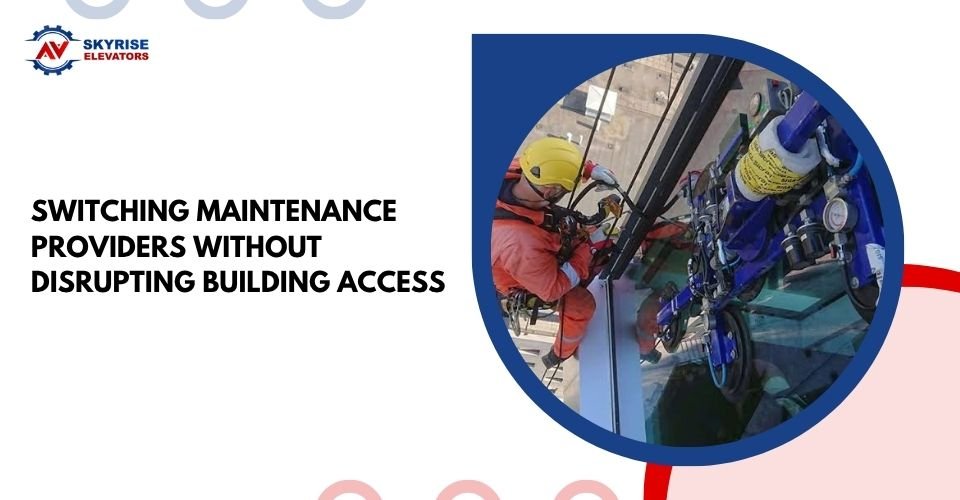
Switching Maintenance Providers Without Disrupting Building Access
Changing an elevator maintenance provider can feel risky, especially when a building depends on its lifts every day. Property managers, facility teams, owners, and tenants need reliable access, and even a short period of unnecessary downtime can create complaints and operational problems.
However, switching providers does not have to mean disrupting normal building access. With proper planning, documentation, communication, and scheduling, a maintenance transition can be managed with minimal interruption.
For buildings considering a new Elevator Maintenance Service Sydney, the key is to treat the change as a planned operational transition rather than simply ending one contract and starting another.
Why Do Buildings Switch Elevator Maintenance Providers?
There are many reasons a building may decide to change its current maintenance company.
Common concerns include:
- Slow response to breakdowns
- Repeated lift faults
- Poor communication
- Inconsistent servicing
- Unexpected charges
- Difficulty obtaining maintenance records
- Lack of suitable technical support
- Limited availability for urgent issues
- Service that no longer matches the building’s needs
Cost can also be a consideration, but it should not be the only factor. Elevator maintenance affects safety, reliability, tenant experience, and long-term equipment performance.
A new provider should therefore be selected based on the complete service offering rather than the lowest quoted price.
Start by Reviewing the Existing Maintenance Contract
Before contacting a new provider, review the current agreement carefully.
Check the contract for:
- Notice periods
- Contract expiry dates
- Termination conditions
- Outstanding invoices
- Included maintenance services
- Emergency call-out arrangements
- Repair responsibilities
- Parts and replacement provisions
- Documentation requirements
This step helps prevent avoidable disputes during the transition.
It also gives the building manager a clear understanding of what the existing provider is contractually responsible for before the new maintenance arrangement begins.
Collect the Elevator’s Maintenance History
Maintenance records are extremely useful when changing providers.
Try to obtain copies of available documentation, including:
- Service reports
- Breakdown records
- Repair history
- Inspection records
- Modernisation work
- Component replacements
- Fault histories
- Previous test results
- Equipment manuals
- Electrical or control-system information
These records help the incoming provider understand the elevator’s condition without starting from zero.
A detailed history can also reveal recurring faults that may otherwise be overlooked.
Schedule an Initial Site Assessment
A new maintenance provider should inspect the elevator before taking responsibility for ongoing servicing.
During the assessment, technicians may review the lift car, doors, controls, machinery, safety-related components, electrical systems, and other relevant equipment.
The purpose is not simply to identify defects. It is to establish a baseline condition.
The building manager can then understand:
- What condition the elevator is currently in.
- Which issues require attention.
- What maintenance should be scheduled.
- Whether any recurring problems need further investigation.
- What risks could affect future reliability.
This baseline also creates a useful reference point for future maintenance discussions.
Plan the Handover Around Building Operations
The handover should be scheduled around the building’s normal activity.
For example, a commercial building may have its busiest periods during weekday mornings and afternoons. A residential building may experience heavier lift use during evenings and weekends.
Where practical, administrative and inspection activities can be planned during quieter periods.
If a shutdown is genuinely required, the building manager should receive advance notice and have a clear plan for how residents, employees, visitors, deliveries, and contractors will access the property during that period.
Avoid Unnecessary Elevator Downtime
Not every maintenance transition requires the elevator to remain unavailable for an extended period.
The incoming provider can plan the handover so that documentation review, equipment familiarisation, and administrative tasks are completed efficiently.
If physical work is necessary, the provider and building management team should agree beforehand on:
- Expected shutdown duration
- Start and finish times
- Access requirements
- Required permits or approvals
- Technician attendance
- Communication responsibilities
- Contingency arrangements
A clearly defined schedule reduces uncertainty for everyone involved.
Communicate With Tenants and Building Users
Good communication is one of the simplest ways to reduce disruption.
Building occupants should know what is changing and whether the transition is expected to affect elevator availability.
Communication may include:
- Noticeboard updates
- Building emails
- Resident messages
- Tenant notifications
- Lift signage
- Reception instructions
- Contractor access information
The message does not need to be complicated.
If a temporary shutdown is required, users should be told when it will occur, how long it is expected to last, and what alternative access arrangements are available.
What Should the New Maintenance Provider Receive?
A proper handover should provide the incoming provider with as much relevant information as possible.
A useful handover checklist includes:
| Information | Purpose |
| Equipment details | Helps identify the lift and its configuration |
| Maintenance records | Shows previous servicing and repairs |
| Breakdown history | Highlights recurring problems |
| Manuals | Provides technical reference material |
| Previous reports | Helps establish equipment condition |
| Access information | Supports efficient technician attendance |
| Building contacts | Clarifies communication responsibilities |
| Existing issues | Prevents known problems from being missed |
| Service schedules | Helps plan future maintenance |
The more complete the handover, the easier it is for the new provider to develop an appropriate maintenance approach.
How Can Commercial Buildings Minimise Risk During the Change?
Commercial buildings have additional considerations because elevator availability can affect employees, customers, visitors, deliveries, and business operations.
Working with an experienced Commercial Elevator Company Sydney can help building managers plan maintenance around operational requirements.
For larger properties, it may be useful to coordinate the transition with:
- Facility managers
- Building owners
- Strata managers
- Security teams
- Reception staff
- Tenants
- Cleaning contractors
- Delivery teams
- Other building service providers
This ensures that everyone who may be affected understands the transition plan.
Don’t Ignore Recurring Elevator Problems
Switching providers can be a good opportunity to investigate issues that have been repeatedly reported.
If the elevator has experienced recurring:
- Door faults
- Levelling problems
- Unusual noises
- Unexpected shutdowns
- Control-system faults
- Ride-quality complaints
- Frequent call-outs
the new provider should be informed about them.
Simply resetting a fault or replacing a component may not address the underlying cause.
A proper assessment can help determine whether the issue is related to a specific component, maintenance practice, system condition, or another factor requiring further investigation.
Compare Service Agreements Carefully
When selecting a new maintenance provider, do not compare proposals based only on the monthly or annual price.
Review what each agreement actually includes.
Consider:
- Routine servicing frequency
- Emergency response arrangements
- Breakdown support
- Reporting
- Parts and labour
- After-hours service
- Preventive maintenance
- Technician availability
- Communication procedures
- Additional charges
- Contract terms
Two agreements with similar prices can provide very different levels of service.
The right contract should be clear about responsibilities so the building manager knows what is included and what may result in additional costs.
Create a Transition Timeline
A simple timeline can make the entire process easier to manage.
| Stage | Recommended Action |
| 1 | Review the current contract |
| 2 | Confirm termination and notice requirements |
| 3 | Collect maintenance documentation |
| 4 | Select and assess the incoming provider |
| 5 | Complete equipment inspection |
| 6 | Agree on the handover date |
| 7 | Notify relevant building users |
| 8 | Transfer records and access information |
| 9 | Complete the initial service |
| 10 | Monitor performance after the transition |
This gives everyone a clear sequence of responsibilities.
What Should You Monitor After the Switch?
The transition does not end when the new contract starts.
For the first few months, building management should monitor whether the new provider is meeting expectations.
Useful indicators include:
- Response times
- Breakdown frequency
- Preventive maintenance completion
- Quality of service reports
- Communication
- Recurring faults
- Tenant complaints
- Unplanned downtime
- Follow-up on identified issues
Regular reviews can identify problems early and help ensure the maintenance arrangement continues to meet the building’s needs.
Why Choose Skyrise Elevators?
Skyrise Elevators understands that elevator maintenance is closely connected to building operations. A maintenance transition should therefore be planned around the property’s equipment, access requirements, operating schedule, and existing service history.
The team can help building managers approach the transition with a structured process that includes equipment assessment, maintenance planning, documentation review, and ongoing service coordination.
The objective is straightforward: make the changeover organised, transparent, and as practical as possible for the people who rely on the elevator every day.
Final Thoughts
Switching elevator maintenance providers does not have to create unnecessary disruption. The key is preparation.
Review the existing contract, collect maintenance records, arrange an equipment assessment, plan the handover carefully, communicate with building users, and establish clear expectations with the incoming provider.
For commercial and residential properties, a well-managed transition can provide an opportunity to improve communication, identify recurring equipment issues, and establish a more structured maintenance program.
When elevator access is important to daily building operations, the transition deserves the same level of planning as the maintenance itself.